Looking for a place where weekends can include a garden walk, a concert in the hills, or a quick stop at a tasting room without giving up a quiet residential setting? That balance is a big part of Saratoga’s appeal. If you are exploring a move here, it helps to understand what the wine-and-arts lifestyle really looks like day to day, what tradeoffs come with it, and how that lifestyle fits into Saratoga’s competitive housing market. Let’s dive in.
Saratoga’s lifestyle is more residential than resort
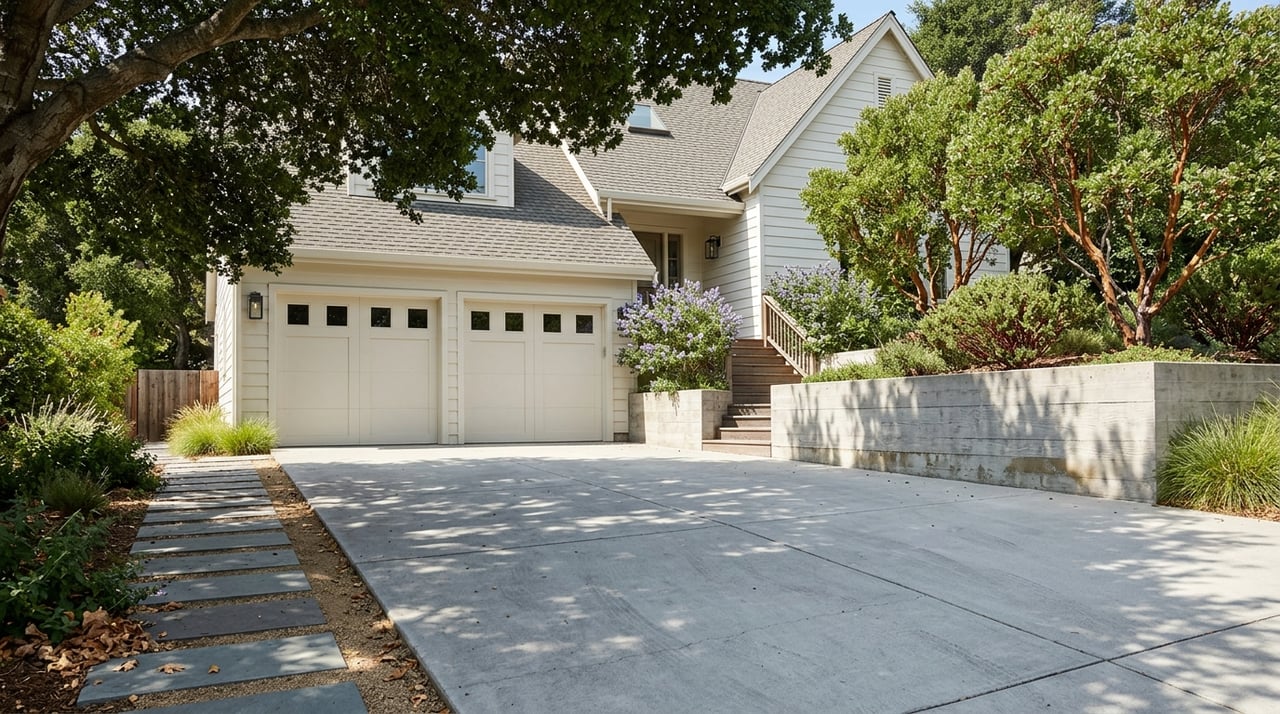
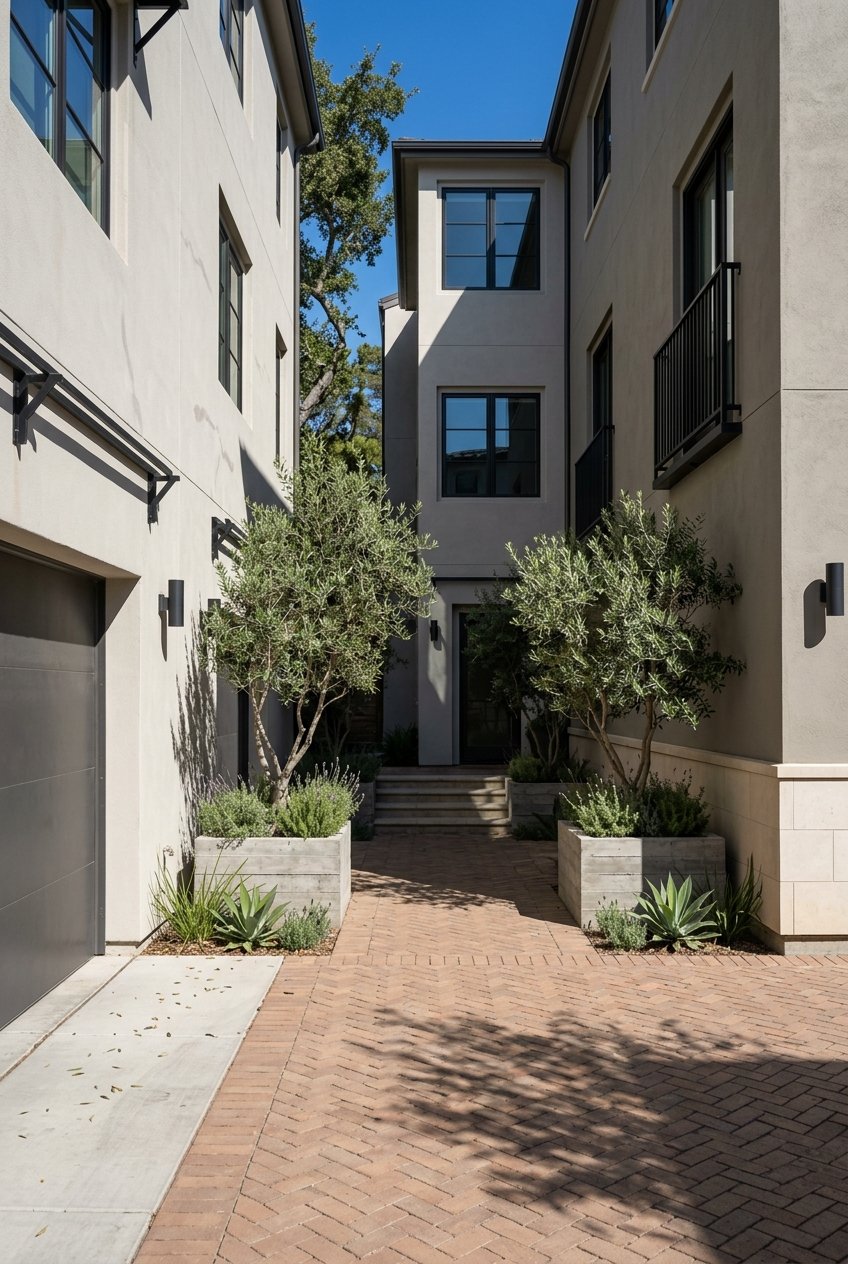
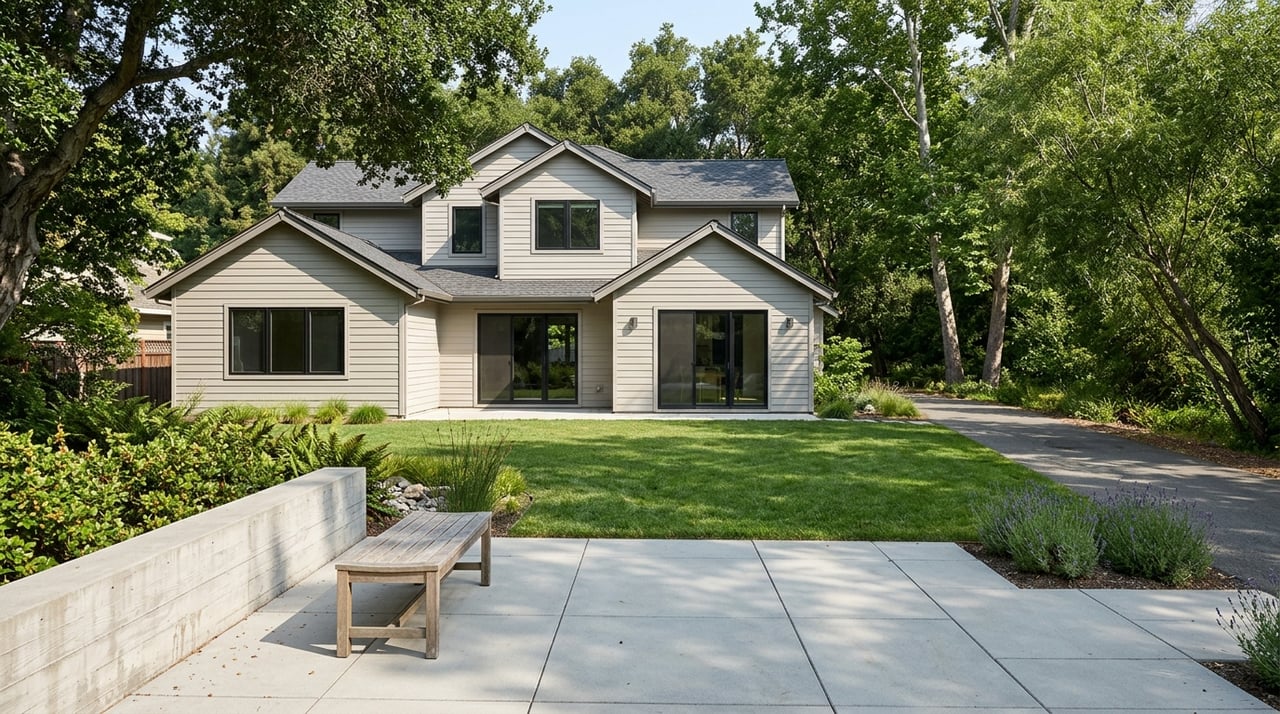
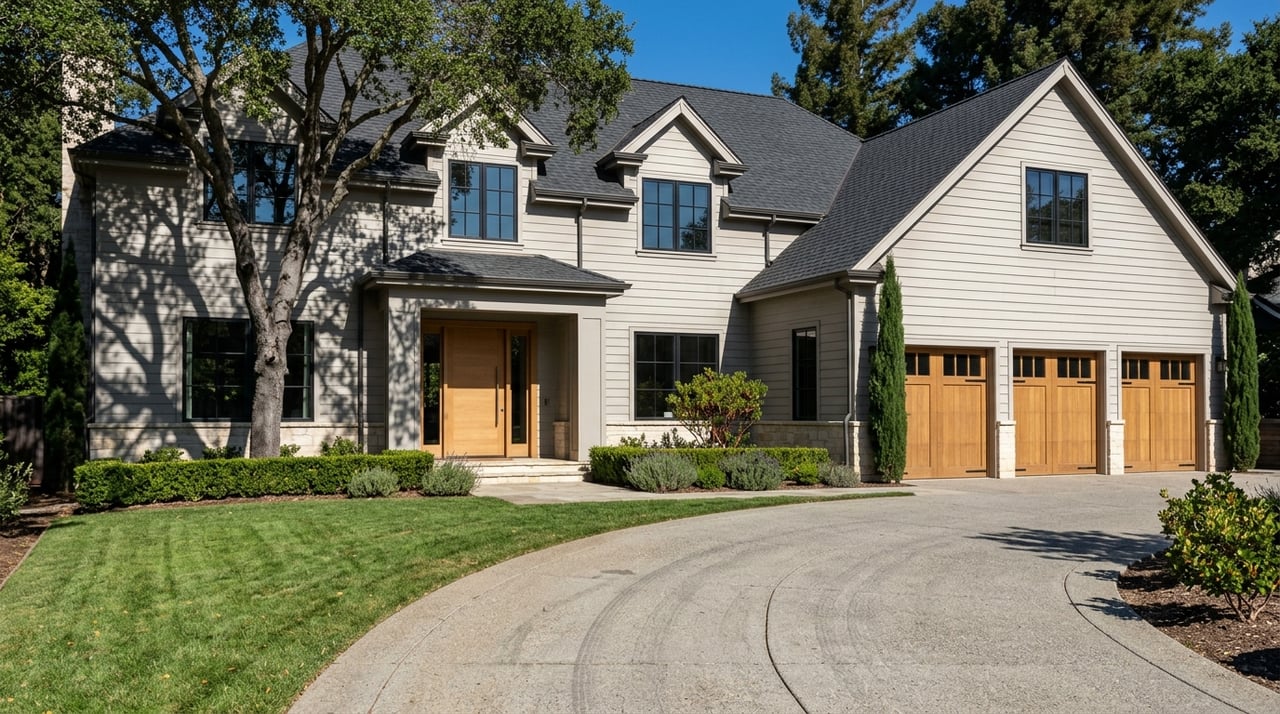
Saratoga is a city of about 31,000 that has intentionally protected a semi-rural, residential feel while promoting arts, history, and neighborhood quality of life. The city describes the historic Village as the heart of Saratoga, with dining, shops, galleries, coffee houses, parks, and trails.
That distinction matters if you are comparing Saratoga to places built around constant nightlife or dense mixed-use activity. Here, the appeal is not living inside an entertainment corridor. It is living in a quiet, scenic community with meaningful access to wineries, cultural venues, and outdoor spaces.
Why wine and arts are part of Saratoga’s identity
Saratoga’s roots help explain why these amenities feel woven into daily life rather than added on later. The area evolved from orchards and vineyards into a residential city, and landmarks like Mountain Winery and Villa Montalvo helped shape its local identity.
Today, that history still shows up in the way Saratoga presents itself. Preservation, scenery, hillside character, and cultural programming are all part of the broader lifestyle package buyers are really evaluating.
Mountain Winery brings destination energy nearby
Mountain Winery is one of the best-known names associated with Saratoga, though official city material notes that it sits just outside the city limits in unincorporated Santa Clara County. It remains a major concert and event destination, with wine tasting, event spaces, and the original Masson summer home on the property.
For nearby residents, the practical story is simple. You get close access to a major venue, but you should also expect event-night traffic patterns, on-site parking activity, and possible rideshare delays after shows. According to the venue FAQ, rideshare waits after concerts can run about 45 minutes, and traffic up the hill may be held until the driveway clears.
Its hilltop setting also affects the experience. Weather can shift quickly, and getting to seats may involve stairs or hills. If you love the idea of easy access to concerts and wine-country views, that can be a real perk, but it is worth understanding the logistics before you buy nearby.
Montalvo adds arts, trails, and year-round access
Montalvo Arts Center is one of Saratoga’s strongest cultural anchors. The property spans 175 acres in the foothills above Saratoga and includes a historic villa, artist residences, performance and exhibition spaces, gardens, and hiking trails.
One of the biggest benefits for residents is that the grounds are open year-round and free to the public. That gives you a place you can enjoy casually, not just on event nights. Depending on the season, Montalvo can feel like an arts campus, a trail outing, or a scenic stop in your normal routine.
There is one practical tradeoff. Some grounds and parking areas may be limited or closed during private events or selected programming, especially on certain weekend evenings. For buyers who value nearby culture but do not need constant access, that is usually an easy trade to make.
Hakone offers a peaceful local perk
Hakone Estate and Gardens adds another layer to Saratoga’s arts-and-garden appeal. The city describes it as one of the oldest Japanese estate and garden sites in the Western Hemisphere, and the property includes historic structures, a koi pond garden, cultural events, and rotating exhibits.
For Saratoga residents, a standout benefit is free admission on the first Tuesday of each month with proof of address. That kind of local perk can make Hakone feel less like a special-occasion destination and more like part of the rhythm of living here.
Because Hakone is hillside-based, convenience can vary depending on your mobility needs. Some areas are not fully ADA accessible, so it is smart to think about how often you would realistically use the site and what kind of access works best for you.
The Village supports a tasting-room lifestyle
If your idea of wine-country access is less about large events and more about a relaxed tasting close to home, Saratoga offers that too. The city says tasting rooms are a permitted use in the Village, and local wine-trail signage was installed to help visitors find wineries and the downtown tasting-room cluster.
Current examples mentioned in the research include Roudon Smith’s downtown Saratoga tasting room on Big Basin Way and Savannah-Chanelle’s tasting room patio in the hills. That gives residents a mix of in-town and hillside wine experiences without turning Saratoga into a full-scale tourism district.
One important note is that this scene can change over time. For example, Cinnabar Winery’s Saratoga tasting room is permanently closed as of March 31, 2025. If wine access is a major reason for your move, current venue mix matters more than older area descriptions.
Daily life feels calm, with event-based activity
In practice, Saratoga feels more like a quiet suburban hills town than a wine-and-arts strip. The city’s character is shaped by preserved hillsides, parks, trails, and neighborhood atmosphere, with the Village serving as a compact center rather than a dense urban core.
That balance is a major reason buyers are drawn here. You can enjoy cultural outings, concerts, gardens, and tasting rooms, then return to a primarily residential environment that is designed to stay that way.
The flip side is that activity tends to come in bursts. Mountain Winery can create concert-night traffic, Montalvo may have limited access during private events, and local noise standards are built around preserving a quiet environment even though occasional activity still comes with living near destinations.
Outdoor access strengthens the lifestyle package
The wine-and-arts story is only part of what makes Saratoga appealing. The city also has 14 parks and numerous trails, which means your lifestyle often blends cultural amenities with outdoor time.
For many buyers, that mix is the real draw. A home here is not just about being near one venue. It is about having scenery, trails, gardens, and a historic downtown woven into everyday life.
What this means for homebuyers
If you are buying in Saratoga, it helps to frame wineries and arts venues as lifestyle enhancers, not isolated selling points. Access to Mountain Winery, Montalvo, Hakone, and Village tasting rooms can absolutely shape your day-to-day experience, but the stronger value proposition is the full Saratoga package.
That package includes limited supply, preserved character, and a residential setting with cultural depth. Buyers who tend to be happiest here are often looking for access and atmosphere, not nonstop activity.
When you tour homes, consider questions like these:
- How close do you want to be to event venues versus quieter interior streets?
- Would you use trails, gardens, and Village amenities regularly?
- Are concert-night traffic patterns a minor inconvenience or a major concern for you?
- Do you want walkable access to parts of the Village, or is scenic residential setting the higher priority?
What this means for sellers
If you are selling in Saratoga, the wine-and-arts angle works best when it is positioned accurately. Buyers are usually not paying a premium for nightlife. They are paying for a scarce residential market with scenery, prestige, cultural access, and strong overall quality of life.
That means your home marketing should connect the property to Saratoga’s broader lifestyle, not just name nearby venues. Thoughtful positioning around residential calm, Village access, hillside setting, gardens, trails, and cultural destinations will usually resonate more than a narrow entertainment pitch.
Saratoga market context matters
Saratoga remains a high-priced, low-inventory market. Zillow reported 59 homes for sale as of May 31, 2026, with 31 new listings, a median sale price of $3,882,500 for April 30, 2026, a median sale-to-list ratio of 1.023, and a median of 15 days to pending. Zillow also reported that 62.1% of sales closed over list price in April 2026.
Those numbers suggest buyers are already competing for a limited number of homes in a premium market. In that context, proximity to wineries and arts venues is better understood as part of Saratoga’s lifestyle premium rather than a standalone pricing driver.
For buyers, that means preparation and negotiation matter. For sellers, it reinforces the value of strong positioning, pricing discipline, and polished presentation in a market where demand is already high.
If you want help evaluating how a specific Saratoga location fits your goals, or how to position a Saratoga home for today’s market, Brandon Gummow offers data-driven guidance with a local, high-touch approach.
FAQs
Is Mountain Winery located inside Saratoga?
- No. Official city material says Mountain Winery is just outside Saratoga city limits in unincorporated Santa Clara County.
Are tasting rooms allowed in Saratoga Village?
- Yes. The city says tasting rooms are a permitted use in the Village.
Can Saratoga residents visit Hakone Estate and Gardens for free?
- Yes. Saratoga residents receive free admission on the first Tuesday of each month with proof of address.
What is daily life near Saratoga wineries and arts venues like?
- It is generally quiet and residential, with activity centered around scheduled events, tasting-room visits, gardens, trails, and outings in the Village.
Does Saratoga regulate noise near businesses and venues?
- Yes. The city has noise standards designed to preserve a quiet residential environment, including limits on music heard outside businesses.
Is living near wineries and arts in Saratoga likely to affect home values?
- The research suggests these amenities are part of a broader lifestyle premium tied to Saratoga’s limited supply, scenery, and preserved residential character rather than a standalone value driver.