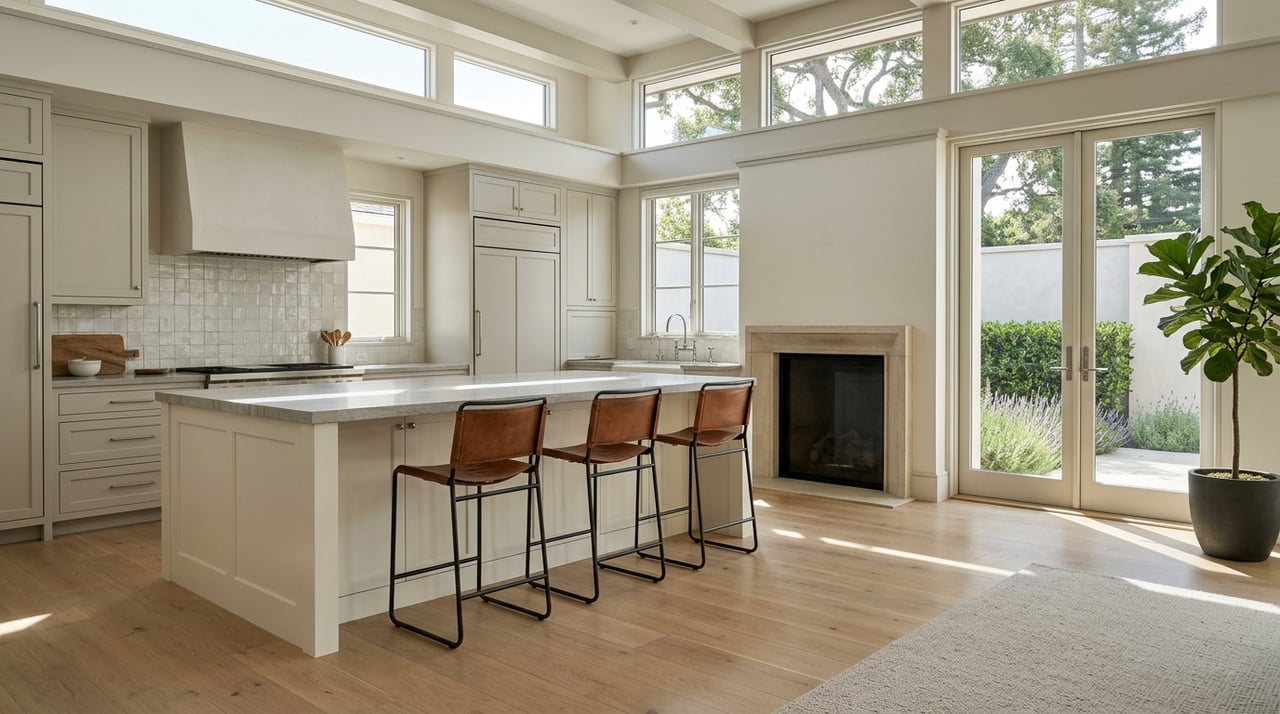
Wondering whether you need a major renovation before listing your Saratoga home? In most cases, you do not. In a market where single-family home values sit around the $4.1M range and well-priced homes can still move quickly, the smarter strategy is often to polish what buyers already want to see, not pour time and money into projects that may not come back at closing. This guide will show you how to prepare a Saratoga luxury home for market with discipline, strong ROI, and less stress. Let’s dive in.
Why restraint works in Saratoga
Saratoga is one of the South Bay’s highest-value markets. The city’s 2024 land value appraisal report noted single-family medians reaching $4.15M in November 2024, with many homes in the area trading in the $2.5M to $4.0M+ range and around $1,000+ per square foot.
Current portal data in that same city report context still support that price tier. The report also noted that when a property is priced at market value, multiple offers can still be expected. For you as a seller, that changes the prep question from “How much can I build?” to “What will remove objections and improve presentation?”
That distinction matters. In a strong luxury market, buyers often respond best to homes that feel well-maintained, clean, bright, and easy to understand. They do not always reward expensive, taste-specific remodels completed right before the sale.
Focus on buyer objections first
Before you spend on finishes, think about what could slow down a buyer or invite renegotiation. Visible wear, deferred maintenance, or unresolved condition issues can create more friction than an older backsplash or dated light fixture.
A sensible pre-listing sequence is:
- Inspect where needed
- Fix visible defects and material issues
- Improve curb appeal
- Declutter and clean thoroughly
- Stage the most important rooms
- Consider light cosmetic updates only if they support the sale
This order lines up with California disclosure expectations, pre-listing inspection guidance from NAR, and the Pacific-region ROI rankings in JLC’s cost-vs-value reporting.
Start with inspections and disclosures
If your home is going on the market soon, clarity matters. The California Department of Real Estate says sellers of most one-to-four unit residential properties generally must provide a Real Estate Transfer Disclosure Statement, and the seller’s agent must also visually inspect and disclose readily observable defects.
That does not mean you need every inspection possible. It does mean that if you already suspect roofing, plumbing, electrical, drainage, or pest issues, it may be wise to investigate early so you can make informed decisions before buyers do.
NAR reports that pre-listing inspections can help sellers uncover problems ahead of time, reduce surprises, and give buyers more confidence. They are not necessary for every property, but they can be especially useful when a luxury home has age, deferred maintenance, or a more complex improvement history.
Spend where first impressions pay back
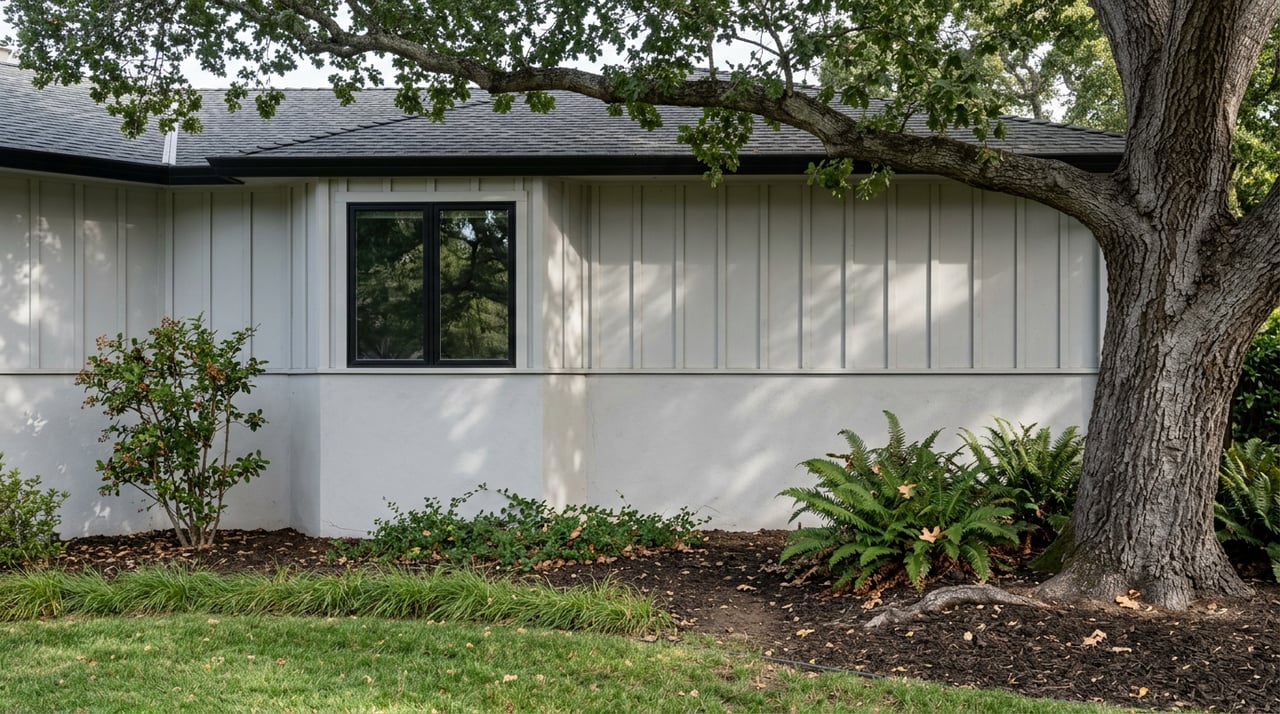
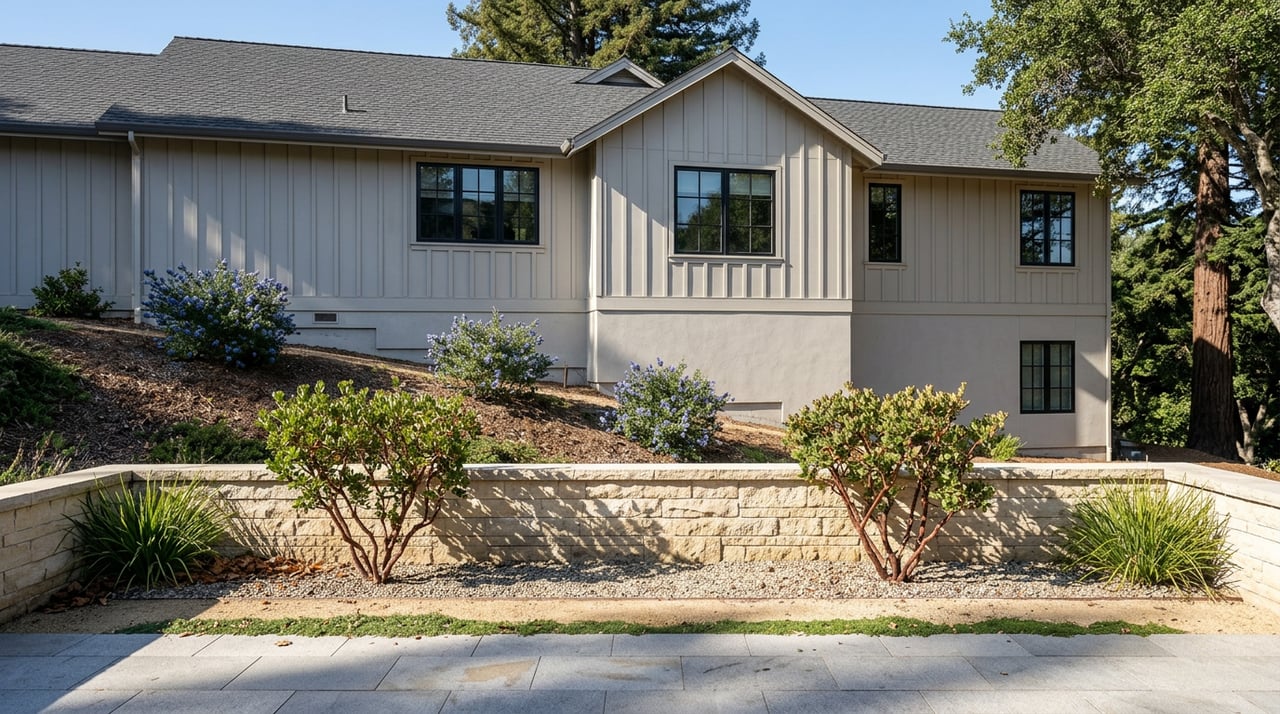
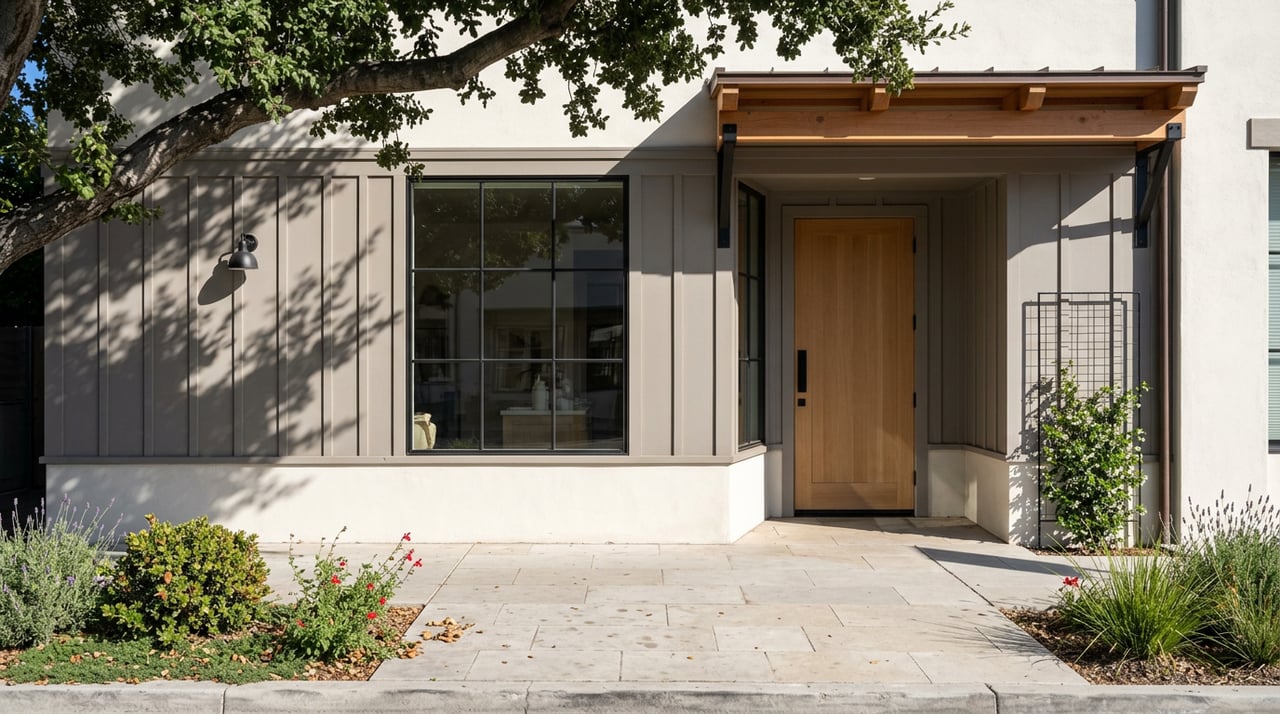
If you are trying to decide where to invest, start outside. According to the 2025 Cost vs. Value report key trends, exterior renovations continue to deliver the strongest returns, and the Pacific region posted the highest average return overall.
The Pacific-region rankings are especially useful for short-horizon sellers. Top-return projects included:
- Garage door replacement: 262% cost recouped
- Manufactured stone veneer: 231.7% recouped
- Steel entry door replacement: 205.4% recouped
- Fiber-cement siding replacement: 130.4% recouped
- Minor kitchen remodel: 129.1% recouped
- Midrange bath remodel: 91% recouped
The big takeaway is simple: buyers notice the front approach, entry sequence, and overall condition fast. In Saratoga, where curb appeal and setting already matter, targeted exterior improvements can sharpen the home’s first impression without dragging you into a long construction cycle.
Keep kitchen and bath updates light
Luxury sellers often assume they need a full designer remodel to compete. The data suggest otherwise when your goal is to list within the next six to twelve months.
In the Pacific region, a minor kitchen remodel had a much stronger return than an upscale kitchen remodel. JLC reported about 129.1% recouped for a minor kitchen remodel, compared with 38.8% for an upscale kitchen remodel. The same pattern showed up in bathrooms, where a midrange bath remodel outperformed an upscale bath remodel by a wide margin.
That supports a measured approach:
- Refresh paint where needed
- Repair worn surfaces
- Replace dated hardware if it improves the look
- Update lighting selectively
- Refinish or touch up cabinetry when possible
- Avoid full layout changes unless a true functional issue exists
When buyers in Saratoga are already paying for location, lot, architecture, and overall livability, you usually do not need to over-customize every finish to earn strong interest.
Prioritize decluttering, cleaning, and curb appeal
Some of the most effective pre-sale work is also the least glamorous. NAR’s 2025 staging report found that the most common recommendations from seller agents were decluttering, whole-home cleaning, and curb appeal improvements.
Those steps matter because they improve perceived condition. They also help buyers focus on the home itself instead of your belongings, your maintenance backlog, or distractions in photos.
For many Saratoga sellers, the best-value prep list includes:
- Deep cleaning throughout the home
- Window cleaning
- Decluttering closets, counters, and storage areas
- Removing overly personal decor
- Freshening landscape beds and lawn edges
- Touch-up paint in high-visibility areas
- Replacing burned-out bulbs and mismatched lighting color
- Servicing obvious minor issues like sticking doors or loose hardware
These are not flashy upgrades. But they make a luxury home feel more cared for, more current, and more move-in ready.
Stage the rooms that matter most
You do not need to stage every inch of the property. You do need to stage the spaces that drive online clicks and in-person emotional connection.
According to NAR’s 2025 staging findings, buyers’ agents said the living room mattered most, followed by the primary bedroom and kitchen. The report also found that 29% of agents said staging increased the dollar value offered by 1% to 10%, while 49% said it reduced time on market.
For a Saratoga luxury listing, the highest-impact staging plan is usually:
- Living room: simplify furniture and improve flow
- Primary bedroom: create a calm, spacious feel
- Dining room: support entertaining and scale
- Kitchen: reduce visual clutter and emphasize workspace
- Entry: make the arrival feel clean and intentional
Guest bedrooms tend to matter less, so you can usually keep those simple rather than spending heavily to fully style them. Focus your staging budget where buyers are most likely to form a fast opinion.
Match prep to your marketing plan
Presentation does not stop at the front door. NAR’s staging report found that buyers’ agents viewed photos, physical staging, videos, and virtual tours as highly important to the home search process.
That is especially relevant in Saratoga’s luxury segment, where many buyers screen homes online before they ever book a showing. Your prep should support how the property will actually be marketed, from photography to video to digital tours.
This is where disciplined prep can outperform over-improvement. A clean, well-staged home with a strong visual story often shows better in marketing than a half-finished renovation or an expensive remodel that reflects narrow taste. When the launch includes polished visuals and a clear positioning strategy, buyers can understand the home quickly and respond with confidence.
Avoid projects that rarely pay off fast
Some projects may be worthwhile for long-term enjoyment, but they usually do not make sense as short-term pre-listing investments. JLC’s Pacific-region cost-vs-value data showed relatively low recoup rates for several larger projects, including:
- Upscale kitchen remodel: 38.8%
- Upscale bath remodel: 44.5%
- Accessory dwelling unit: 38.8%
- Primary suite addition: 18.6%
- Solar power installation: 40.7%
- Backyard patio: 45.8%
That does not mean these are bad projects. It means they are usually poor choices if your main goal is to prepare for sale in the near term.
The same caution applies to maintenance-heavy items like roofs and windows. These can still be important, but they are better viewed as condition, financing, or risk-management decisions than as likely profit centers.
Time your prep around the market
If you have flexibility, timing can help you prepare more calmly and launch more strategically. The Saratoga appraisal report found that marketing periods in the Saratoga, Monte Sereno, and Los Gatos submarket were slower in winter and shortest in summer, with February at 49 days and July at 20 days.
That seasonality suggests a practical rhythm. If you are planning six to twelve months ahead, the off-season can be a smart time to handle repairs, touch-up work, paint, and staging prep so your home is ready for a stronger spring or early-summer debut.
It is not a hard rule, and every property is different. But if you want to avoid rushed decisions, giving yourself time to prepare thoughtfully can help you spend better and present better.
A practical prep plan for Saratoga sellers
If you want a simple framework, use this one:
Fix what could hurt confidence
Address visible defects, deferred maintenance, and issues that may surface during buyer inspections or financing.
Improve curb appeal first
Look at the garage door, front door, paint touch-ups, lighting, landscaping, and the overall arrival experience.
Refresh, do not reinvent
Use minor kitchen or bath updates only when they improve condition or presentation. Skip taste-specific luxury overhauls unless a major deficiency truly needs correction.
Stage the hero spaces
Put your budget into the living room, primary bedroom, dining room, kitchen, and entry. Keep lower-priority rooms simple.
Prepare for media
Make sure every room supports photography, video, and showings. Luxury marketing works best when the home feels edited, bright, and cohesive.
In a market like Saratoga, overdoing it can cost you time, money, and momentum. A better strategy is often to be selective, fix what matters, and present the home at a very high level without crossing into unnecessary renovation.
If you are considering selling and want a prep plan built around data, presentation, and negotiation strategy, connect with Brandon Gummow for guidance tailored to your home and timeline.
FAQs
What pre-sale updates matter most for a Saratoga luxury home?
- The highest-impact updates are usually visible condition fixes, curb appeal improvements, deep cleaning, decluttering, and staging of key rooms rather than major remodels.
Should you remodel a kitchen before selling a Saratoga home?
- Usually, a light refresh makes more sense than an upscale remodel if you plan to list soon, because Pacific-region cost-vs-value data shows much stronger returns for minor kitchen updates than full luxury remodels.
Is staging worth it for a Saratoga luxury listing?
- Yes, staging can be worthwhile because NAR found that it often helps reduce time on market, and some agents reported stronger offers when homes were staged.
Do Saratoga sellers need a pre-listing inspection?
- Not always, but a pre-listing inspection can be helpful if you suspect deferred maintenance or want to reduce surprises and renegotiation during escrow.
When should you start preparing a Saratoga home for sale?
- If possible, start several months ahead so you have time to inspect, repair, clean, stage, and launch in a stronger market window without rushing decisions.