If you are looking for a Silicon Valley community that feels quieter, greener, and more tucked away than its neighbors, Saratoga often stands out fast. You may already know it for luxury homes, but the day-to-day lifestyle is really what shapes the experience of living here. From its historic village core to its foothill trails and estate-style neighborhoods, Saratoga offers a distinct mix of charm, space, and access. Let’s dive in.
Saratoga’s Overall Feel
Saratoga feels different from many nearby cities because it reads more like a small residential enclave than a dense suburban corridor. The U.S. Census Bureau estimates about 30,486 residents across 12.78 square miles, with 10,783 households and a strongly owner-occupied housing profile. According to U.S. Census QuickFacts for Saratoga, 86.4% of housing units are owner-occupied.
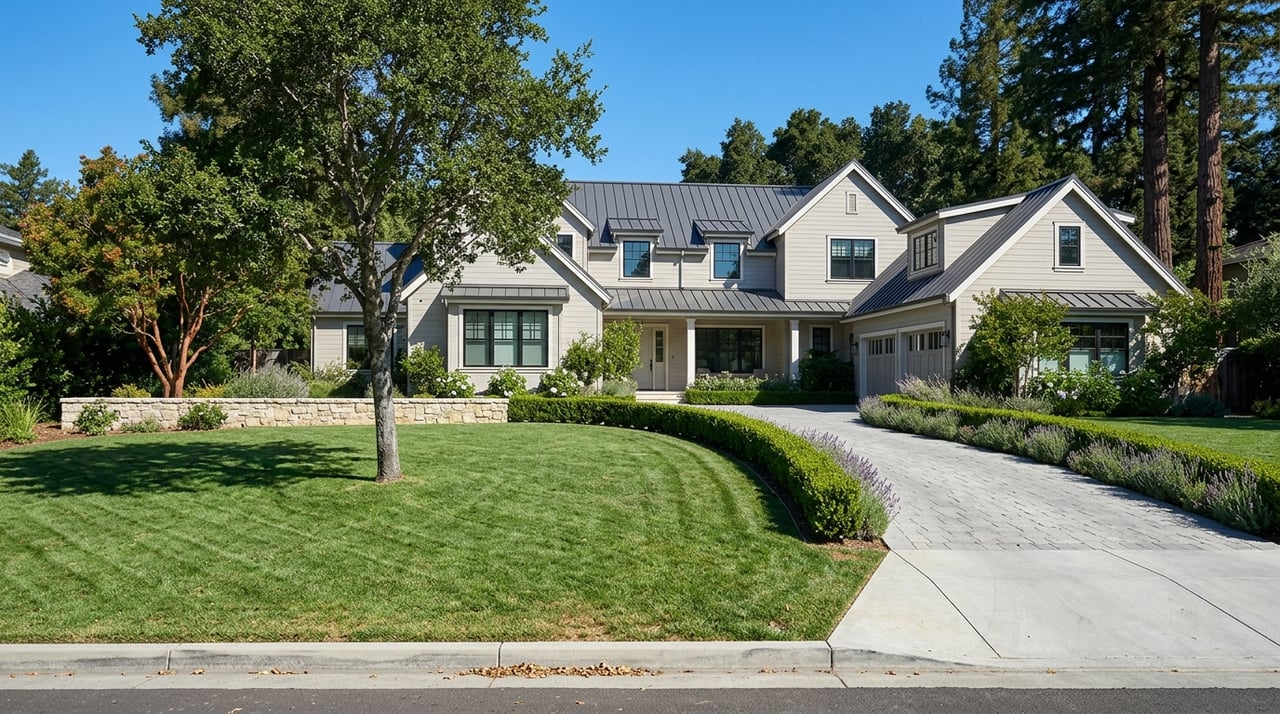
The city describes Saratoga as a charming residential community with a semi-rural ambiance and prestigious neighborhoods. That description fits what many buyers notice right away: mature landscaping, larger residential lots, and a setting that feels more relaxed than much of the Valley. If you want a place that blends privacy with everyday convenience, Saratoga tends to check that box.
Historic Village Life
One of Saratoga’s biggest lifestyle draws is its downtown core, known as Saratoga Village. Along Big Basin Way in Saratoga Village, you will find dining, shops, galleries, coffee houses, parks, trails, Blaney Plaza, and the Saratoga Historical Museum and Park. Many of the buildings date to the late 1800s and early 1900s, which gives the area a more intimate and established feel than newer retail districts elsewhere in Silicon Valley.
For many residents, the Village becomes part of their routine. It is the kind of place where you can meet for coffee, walk to dinner, or spend an easy afternoon browsing local businesses. That historic setting adds character without feeling overly busy or urban.
Why the Village Matters
In many suburban markets, downtown areas are mostly functional. In Saratoga, the Village helps shape the city’s identity. It gives residents a social center that feels local, walkable, and rooted in the community’s history.
That can be especially appealing if you want access to restaurants and gathering spots without giving up the quieter feel of a residential setting. It is one of the reasons Saratoga often feels more personal than larger neighboring cities.
Arts, Gardens, and Wine-Country Appeal
Saratoga also stands out for its cultural and scenic amenities. The city highlights Hakone Gardens and Montalvo Arts Center as signature destinations, and both add meaningfully to daily life. Hakone Gardens is described by the city as one of the oldest Japanese estates, retreats, and gardens in the Western Hemisphere, while Montalvo offers more than 100 acres of woodland trails and gardens and is open year-round to the public.
These are not just occasional attractions for visitors. They help give Saratoga a more layered lifestyle, with access to art, gardens, and open space close to home. If you value places that feel scenic and established, these landmarks reinforce that experience.
Saratoga’s Wine-Country Connection
Saratoga’s foothill location also gives it a wine-country character that sets it apart in the South Bay. The city noted a wine-trail signage partnership with the Santa Cruz Mountains Winegrowers Association, connecting wineries in and around Saratoga, including downtown tasting rooms and destinations such as The Mountain Winery.
That does not mean Saratoga lives like a rural wine town. It means the city has a scenic, hillside character with cultural and recreational touches that feel more relaxed and destination-oriented than a typical suburban market. For buyers relocating from denser parts of the Bay Area, that difference can be a major draw.
Parks and Outdoor Access
If you enjoy being outside, Saratoga offers more than attractive streets and private backyards. The city says it has 14 parks and numerous trails, plus easy access to regional hiking and horseback-riding terrain. That outdoor network gives the city a greener, more open identity.
This matters because living in Saratoga is not just about the home itself. It is also about how close you are to foothill recreation, preserved open space, and scenic trail systems. For many buyers, that helps justify the premium attached to the location.
Notable Outdoor Destinations
A few places help define Saratoga’s outdoor lifestyle:
- Quarry Park is a 64-acre former quarry that opened to the public in 2015 as a trail-based open-space destination.
- Saratoga Gap Open Space Preserve spans 1,600 acres and links into a broader regional trail network.
- El Sereno Open Space Preserve covers 1,614 acres and includes trails for hiking, biking, dog access, and designated equestrian use.
Together, these areas support a lifestyle that feels more retreat-like than urban. If your ideal weekend includes a trail instead of a traffic-heavy shopping district, Saratoga may feel like a strong fit.
Housing Style and Neighborhood Character
Saratoga’s housing stock plays a major role in how the city feels. According to the city’s housing data, 83.8% of Saratoga’s housing stock is single-family detached. The largest share of homes was built between 1960 and 1979, and detached single-family homes were also the largest growth category from 2010 to 2020.
In practical terms, that means you will see many established residential streets, larger homesites, and a built environment that leans heavily toward detached housing. This is a key reason Saratoga feels more spacious and estate-oriented than nearby markets with a higher share of condos, townhomes, or denser multifamily development.
Architectural Variety
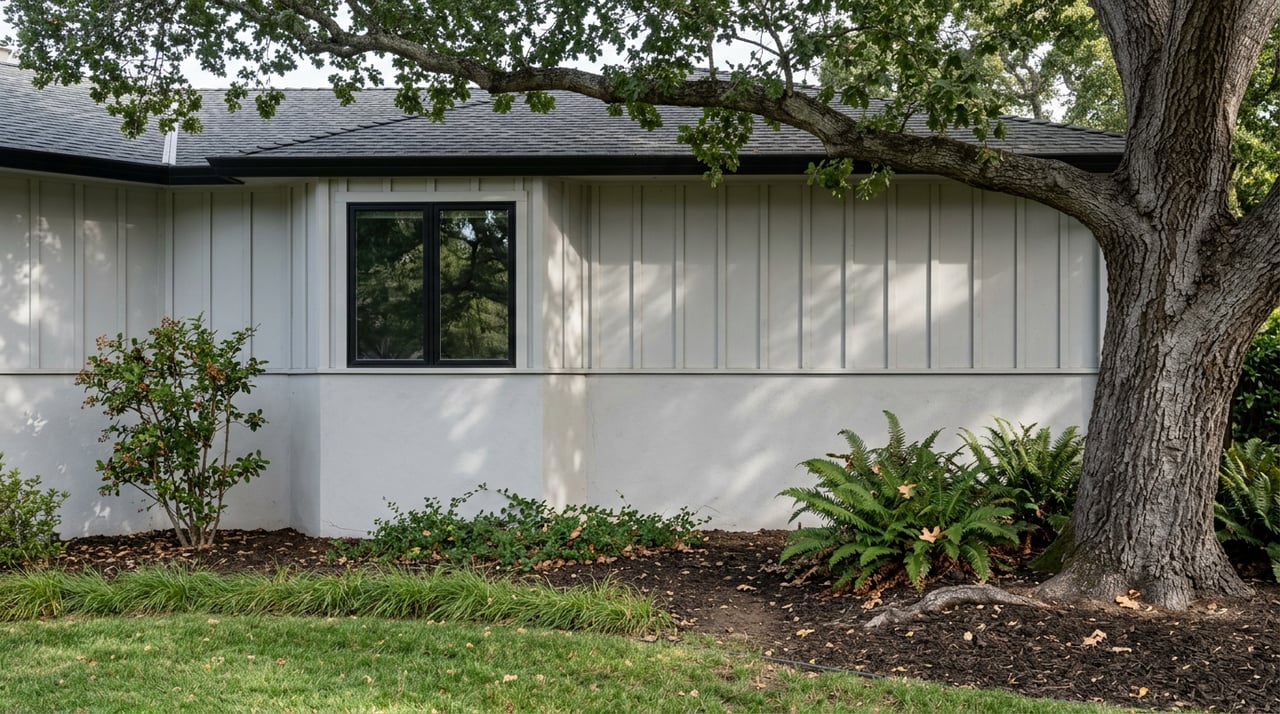
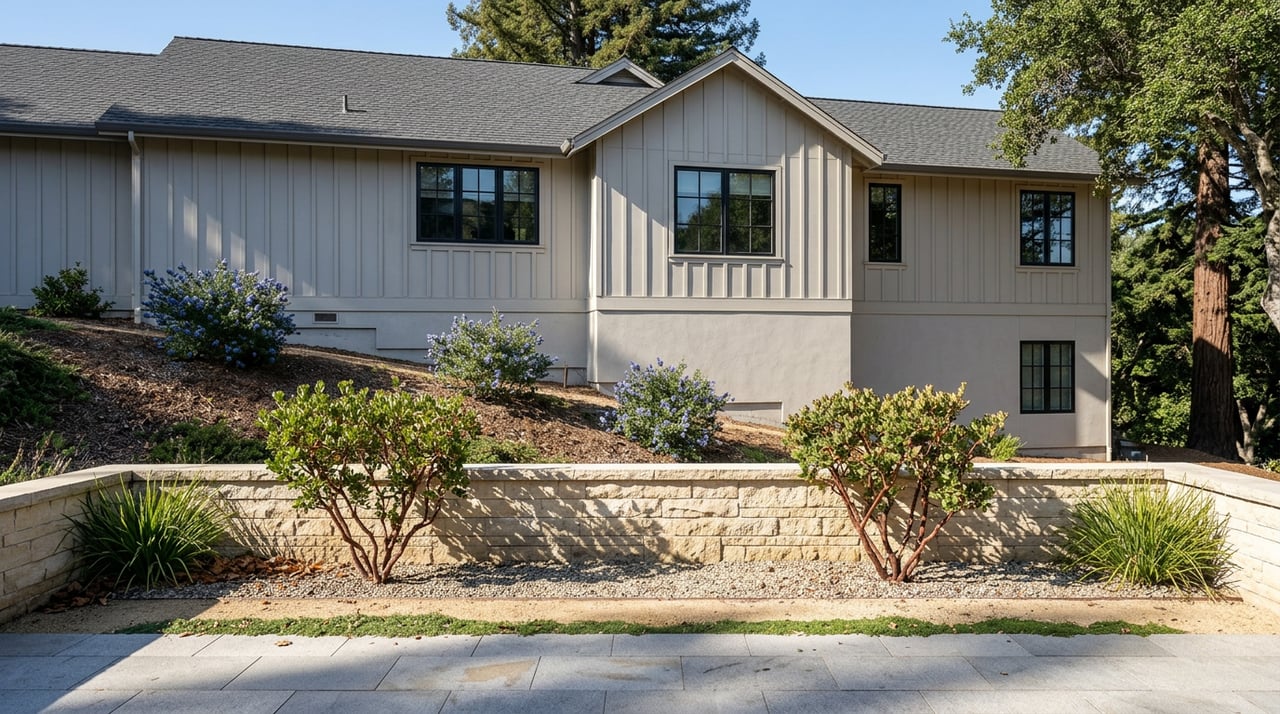
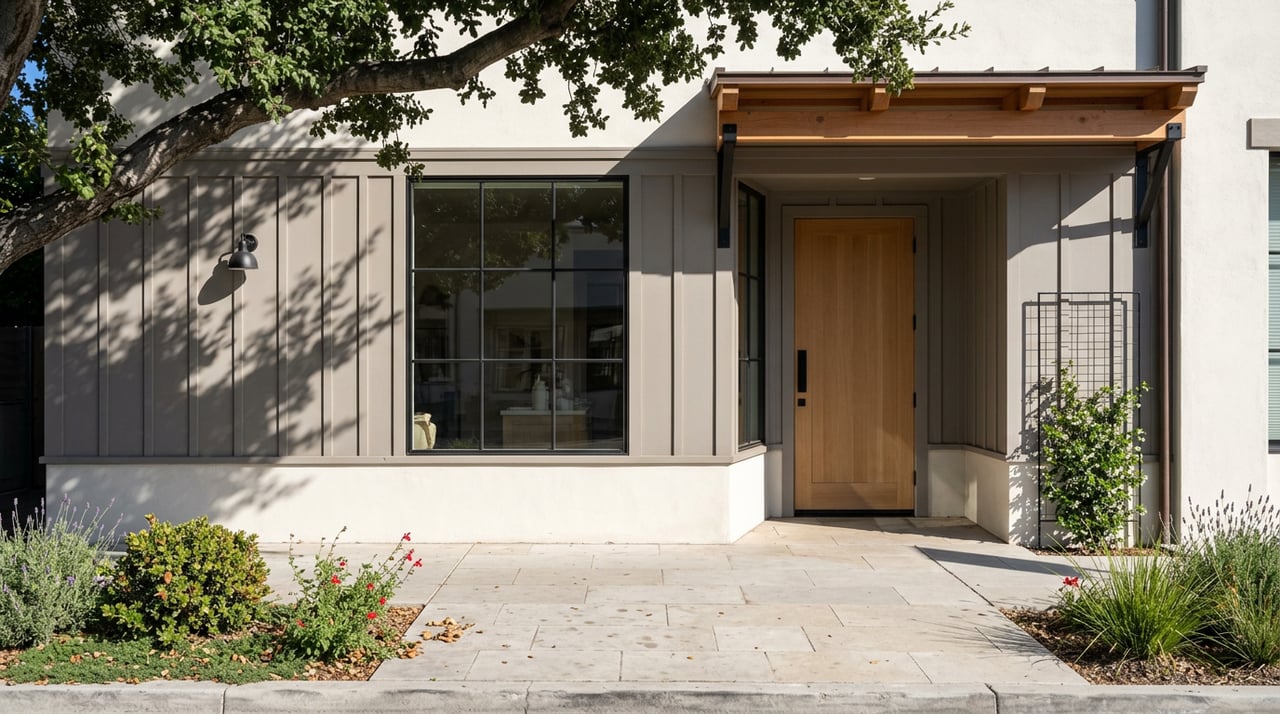
Saratoga is not visually uniform. The city’s historic resources inventory includes styles such as Queen Anne, Craftsman, Mission Revival, Colonial Revival, Adobe, and Mid-Century Modern. That variety gives parts of the city a more layered look than a neighborhood made up mostly of one-era tract homes.
For buyers, that can mean more range in home design and street character. Some areas feel classic and traditional, while others lean more toward ranch, custom, or hillside estate properties.
Why Saratoga Homes Command Premium Prices
Saratoga is widely viewed as a luxury-tier market, and the numbers support that position. The Census Bureau reports a median owner-occupied home value of $2,000,000+ in Saratoga. The same source also shows median household income above $250,000 and a high share of owner occupancy.
Those figures matter, but they are only part of the story. Saratoga’s large-lot, low-density zoning also reinforces the city’s estate-style identity. The city’s residential standards include R-1 zones with minimum lot sizes ranging from 10,000 to 40,000 square feet, with hillside residential standards starting at 2 acres and increasing up to 10 acres on steeper slopes, according to the city’s housing element.
When you combine larger lots, detached housing, limited land, and a highly owner-occupied market, luxury pricing makes sense. For buyers, that means entering Saratoga usually requires a clear strategy and a strong understanding of micro-location, property condition, and long-term value.
Schools and District Boundaries
School conversations are common in Saratoga, but one important point often gets overlooked: school assignments are not uniform across the entire city. According to the Saratoga Union School District boundary information, Saratoga residences feed into four TK-8 districts overall: Campbell, Cupertino, Moreland, and Saratoga Union.
The district also states that Saratoga Union residents attend Argonaut, Foothill, or Saratoga Elementary, then Redwood Middle School. For grades 9 through 12, the Los Gatos-Saratoga Union High School District serves Saratoga and several nearby communities. Because assignment depends on the parcel, buyers should always verify the exact address through district lookup tools.
Why Address-Level Verification Matters
Two homes in the same city can have different district paths. That is why broad assumptions about schools in Saratoga can create confusion during a home search. If schools are part of your decision-making process, parcel-level confirmation should happen early.
Who Saratoga Often Appeals To
Saratoga tends to appeal to buyers who want space, privacy, and a more residential setting without giving up South Bay access. It can be especially attractive if you value detached homes, larger lots, foothill scenery, and a downtown area with more charm than scale.
It may also fit you well if you prefer an established market with limited turnover and a strong ownership profile. If, on the other hand, you want a denser, more urban environment with more entry-level housing options, nearby cities may offer a different fit.
The Bottom Line on Living in Saratoga
Living in Saratoga often means trading density for space, speed for calm, and uniformity for character. You get a city with a historic village core, notable arts and garden destinations, trail access, and a housing profile shaped by detached homes and larger lots. That combination is hard to replicate elsewhere in Silicon Valley.
If you are considering a move to Saratoga, the key is understanding that not every street, lot, or district boundary offers the same experience. Working with a local team that knows how to evaluate micro-markets, pricing, and address-level details can help you make a smarter move. If you want guidance on buying or selling in Saratoga, connect with Brandon Gummow for a tailored, data-backed strategy.
FAQs
What is the overall lifestyle like in Saratoga, CA?
- Saratoga offers a quieter, more residential lifestyle with a semi-rural feel, a historic village area, foothill scenery, and access to parks and trails.
What makes Saratoga different from other South Bay cities?
- Saratoga stands out for its historic Village, large-lot residential zoning, detached housing, cultural landmarks like Hakone and Montalvo, and strong access to open space.
Are all homes in Saratoga assigned to the same schools?
- No. School assignments vary by address, so you should verify the exact parcel using district boundary tools before making a purchase decision.
What types of homes are common in Saratoga, CA?
- Single-family detached homes are the dominant housing type in Saratoga, and the city also has a mix of architectural styles including Craftsman, Colonial Revival, Mission Revival, and Mid-Century Modern.
Why are home prices in Saratoga so high?
- Saratoga’s premium pricing reflects factors such as high owner occupancy, large-lot zoning, a detached-home-heavy housing stock, limited land, and strong household income levels.
Is Saratoga a good fit if you want outdoor access?
- Yes. Saratoga has city parks, local trails, and access to preserves like Quarry Park, Saratoga Gap, and El Sereno, which support hiking and other outdoor activities.