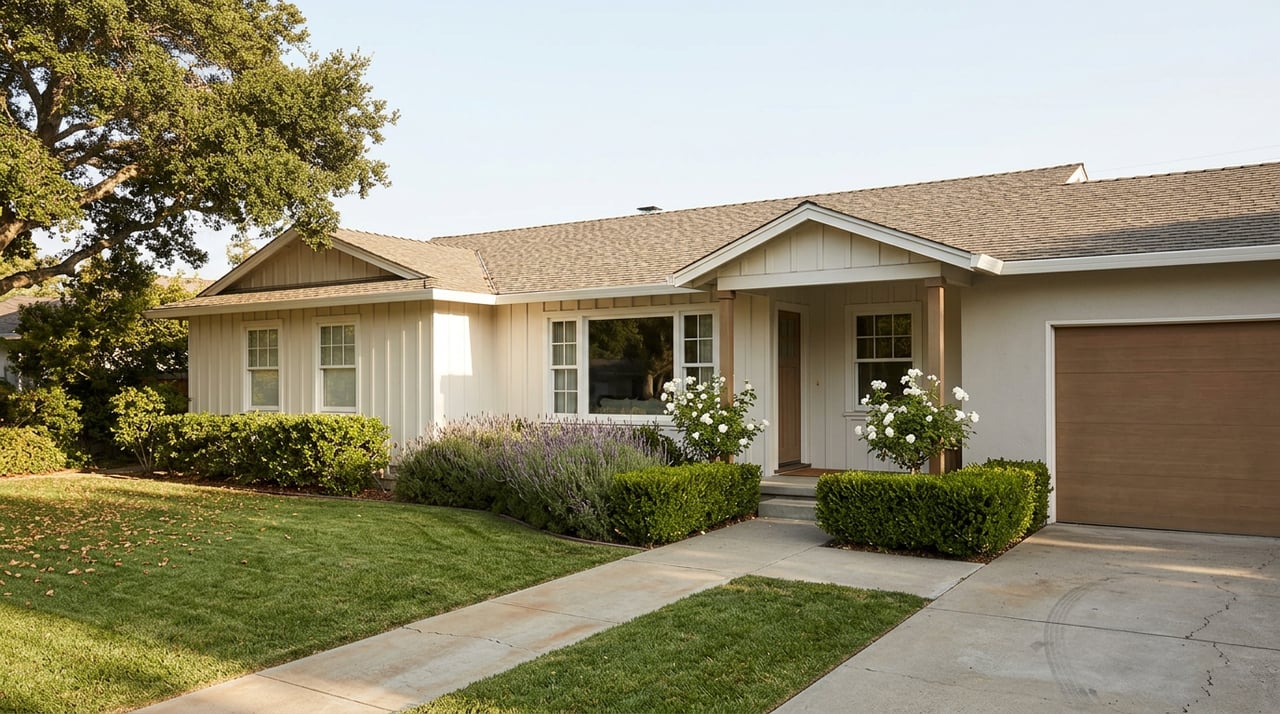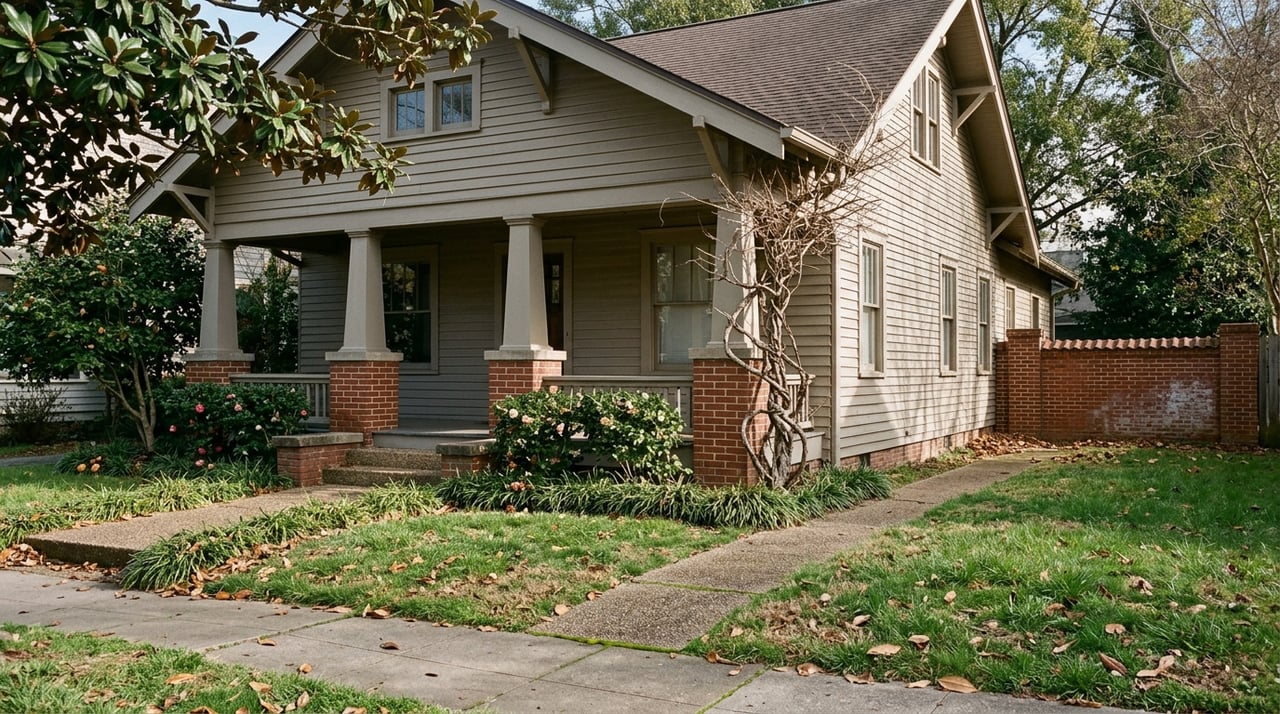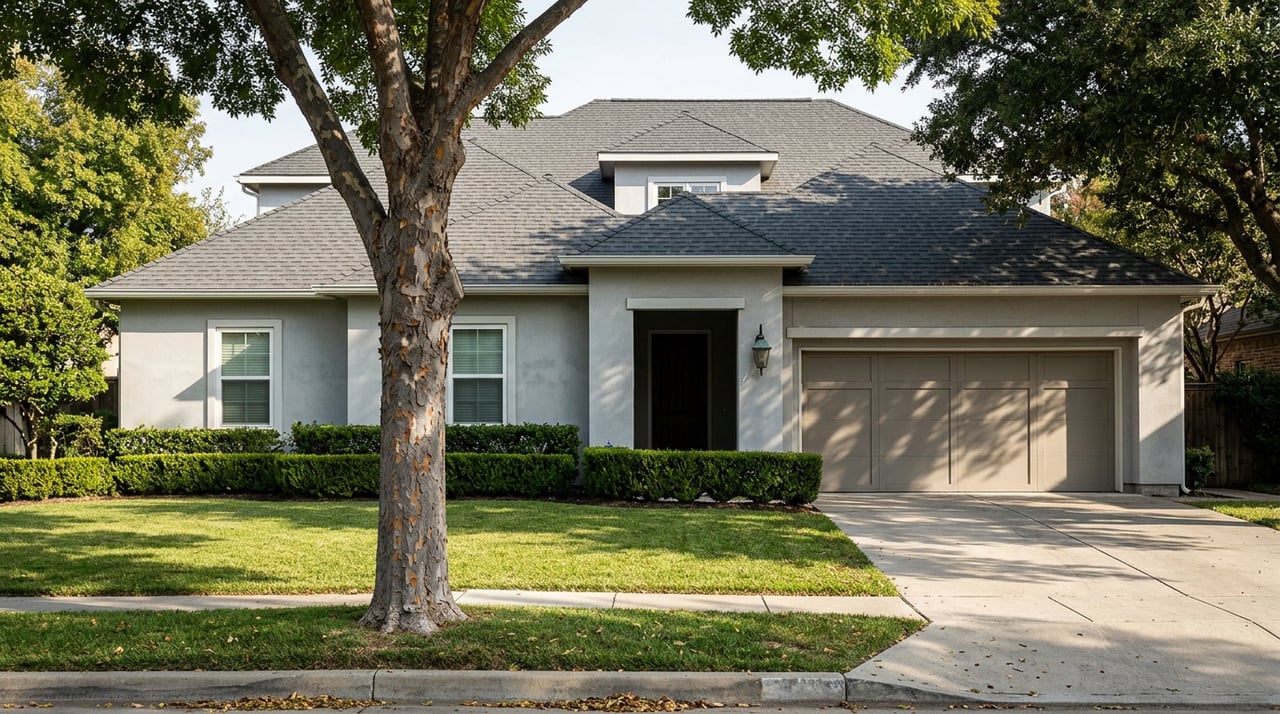
Walk down a block in Rose Garden or Naglee Park and count the trees at the curb. Most sellers do exactly this before listing, decide the yard looks compliant enough, and move on to staging. Then their agent hands them a one-page form from the city, and the seven days before closing suddenly involve a phone call to the Department of Transportation instead of a landscaper.
San Jose has required this disclosure since 2003. The city calls it the Street Tree Disclosure Ordinance, and it does something most home-sale paperwork does not: it asks the seller to certify a number, not just answer a yes-or-no question about known defects. Getting that number wrong, or discovering it late, is where the friction shows up.
What the ordinance actually asks
The City Council adopted Ordinance No. 26821 on February 18, 2003, and after a short delay to give the local real estate community time to build the paperwork, it took effect on August 1, 2003. It added Section 13.28.195 to the San Jose Municipal Code, which sets the rule plainly: not less than seven business days before a sale or transfer of residential real property closes, the seller must disclose, on a form provided by the city, whether the property fully complies with the street tree requirements in Sections 13.28.130.B and 13.28.190.
The form itself is short. It asks the seller to check one of four boxes.
| Disclosure option | What it means |
|---|---|
| Property fully complies | Seller has verified the tree count and it matches the requirement |
| Property does not have the required number | Seller knows there's a gap and discloses it |
| Required number present, not maintained | Trees exist but aren't being kept up per code |
| Seller is unaware | No investigation was done before signing |
Checking box four is legal. The ordinance does not require an inspection, only an honest answer. That is exactly why so many sellers default to it without realizing a more useful answer was available to them a month earlier, before the transaction clock started running.
One tree, three trees, or neither of those numbers
The baseline rule is simple enough on its face. An interior lot needs one street tree for each street it fronts. A corner lot needs a minimum of three, unless the city's Director grants a written exception for public safety reasons.
Here is the part that catches sellers who did the visual count correctly and still got the disclosure wrong: the ordinance explicitly subordinates that baseline to whatever the property's current General Plan requirements say, if those differ. In practice, that means the "correct" number isn't always one or three. It's whatever number was written into the conditions of approval when the lot was subdivided, when a prior owner added a unit, or when the property went through any planning entitlement that touched street frontage.
That number lives in a permit file, not on the curb. A seller who counts two healthy trees on an interior lot and checks "fully complies" may be accurately describing the base rule while missing a General Plan condition from a 1970s subdivision map that required three. The reverse also happens: some older parcels were approved under conditions lighter than the current default, and a seller replanting to match today's baseline is doing more work than the ordinance actually requires of that specific lot.
Why older San Jose blocks get caught here
This is not a hypothetical for every seller in the city. New construction rarely has this problem, because current permits already spell out the tree count and it gets planted as a condition of the certificate of occupancy. The exposure concentrates in San Jose's older, established neighborhoods, the ones with the mature canopy that makes them desirable in the first place: Rose Garden, Naglee Park, Willow Glen, and similar close-in blocks where homes were built or modified across several decades of shifting city planning documents.
These are also neighborhoods where the city's tree rules get unusually specific. The municipal tree ordinance maintains a list of species considered unsuitable for single-family lots, including palms, eucalyptus, and pines, but carves out an explicit exception for the Palm Haven Conservation Area within Willow Glen, where palm trees are part of the protected character of the block. It's a small detail, but it illustrates the pattern: San Jose's tree rules are written parcel by parcel and era by era, not as one uniform citywide number. A seller assuming the rule that applies to a neighbor's lot applies equally to theirs is making an assumption the ordinance doesn't actually support.
The exemption that doesn't travel with the house
If a seller can't meet the tree count and planting isn't appropriate for safety reasons, the Director can grant a written exemption. What trips people up is what happens next: that exemption belongs to the seller who requested it, not the property. It does not run with the land. The next time that house sells, the new seller starts from zero and either meets the requirement or requests their own exemption.
This means a property that legitimately couldn't support a street tree ten years ago, and got a documented pass on that basis, does not carry forward that pass to whoever owns it now. Every sale resets the question.
The clock problem
Here is where timing becomes the real issue. Suppose a seller in Naglee Park discovers, while prepping to list, that a corner lot needs three street trees and only has two, because the third died of root rot years ago and was never replaced. Fixing that isn't a same-week job.
Street trees fall under the city's Department of Transportation, separate from the private-tree permitting that runs through Planning. A missing or dead street tree may need a removal step first if a stump or hazard remains, then a replacement planting coordinated with the right-of-way. San Jose's broader tree ordinance also carries real cost if any of this goes sideways: removing an ordinance-size tree without a permit can draw fines up to $15,000 for a street tree and up to $30,000 for a designated heritage tree, and even routine, permitted removal of a large private tree can run over $2,000 once staff review and notification costs are factored in, according to the city's own Planning Review Division. The city recommends Our City Forest, a local nonprofit that operates a nursery in central San Jose and provides replacement trees on a tax-deductible donation basis, as the lower-cost path to a compliant planting.
None of that happens inside a seven-business-day window. A seller who discovers the gap after opening escrow is choosing between disclosing a deficiency mid-transaction or scrambling on a timeline the city's own process wasn't built for. A seller who checks their tree count against the property's permit history before listing has time to plant, document, or request an exemption on their own schedule instead of the buyer's.
What this means if you're selling on a tree-lined San Jose block
- Count the trees on your lot against both the base rule and any conditions in your property's permit history, not just what's visible from the sidewalk.
- Pull the file early. If your home went through a subdivision, addition, or ADU approval, that file may specify a tree count different from the citywide default.
- If you're short a tree, start the replacement conversation with the city's Trees and Sidewalks group before you list, not after you're in contract.
- Keep the disclosure form itself simple and honest. Checking "unaware" is legal, but it's a weaker position at the negotiating table than a verified "fully complies."
FAQ
Does filing the disclosure cost anything? The form itself has no city fee. Costs only arise if the property needs tree work to bring the count into compliance, which can range from a routine planting through Our City Forest to a full removal-and-replace permit for a larger tree.
What happens if I sell without filing it? The ordinance requires delivery of the disclosure at least seven business days before the sale closes. Skipping it doesn't cancel the underlying tree requirement, it just means the buyer didn't get the notice the code entitles them to.
Can I just replant to match my neighbor's tree count? Not necessarily. The number that governs your lot may come from your property's specific General Plan or permit conditions rather than the citywide default, so it's worth confirming your own file before assuming a neighbor's setup is the template.
Selling a home on one of San Jose's older, tree-lined streets means selling the canopy along with the house. Getting the paperwork right before it becomes a live issue in escrow is part of protecting that value. If you're weighing a sale in Rose Garden, Naglee Park, Willow Glen, or anywhere else in San Jose's established neighborhoods, Gummow Brothers can walk your specific permit history before you list. Sell My Home.