Starting January 1, 2026, every seller of a single-family home in California, or their agent, has to hand buyers this exact language before the sale closes:
"In a purchase of real property, it may be advisable to obtain an inspection by a qualified professional of the electrical system(s) of any buildings, including, but not limited to, the main service panel, the subpanel(s), and wiring. Substandard, recalled, or faulty wiring may cause a fire risk and may make it difficult to obtain property insurance. Limited electrical capacity may make it difficult to support future electrical additions to the building(s), such as solar generation, electric space heating, electric water heating, or electric vehicle charging equipment."
That's Senate Bill 382, authored by Senator Josh Becker and signed in September 2024, now folded into the Transfer Disclosure Statement every California seller already fills out. On paper it reads like a statewide rule that applies the same way everywhere. In practice it doesn't, because the law carries a built-in exemption for any building whose certificate of occupancy was issued within the last three years. New construction barely notices this law. Everything older feels it in full.
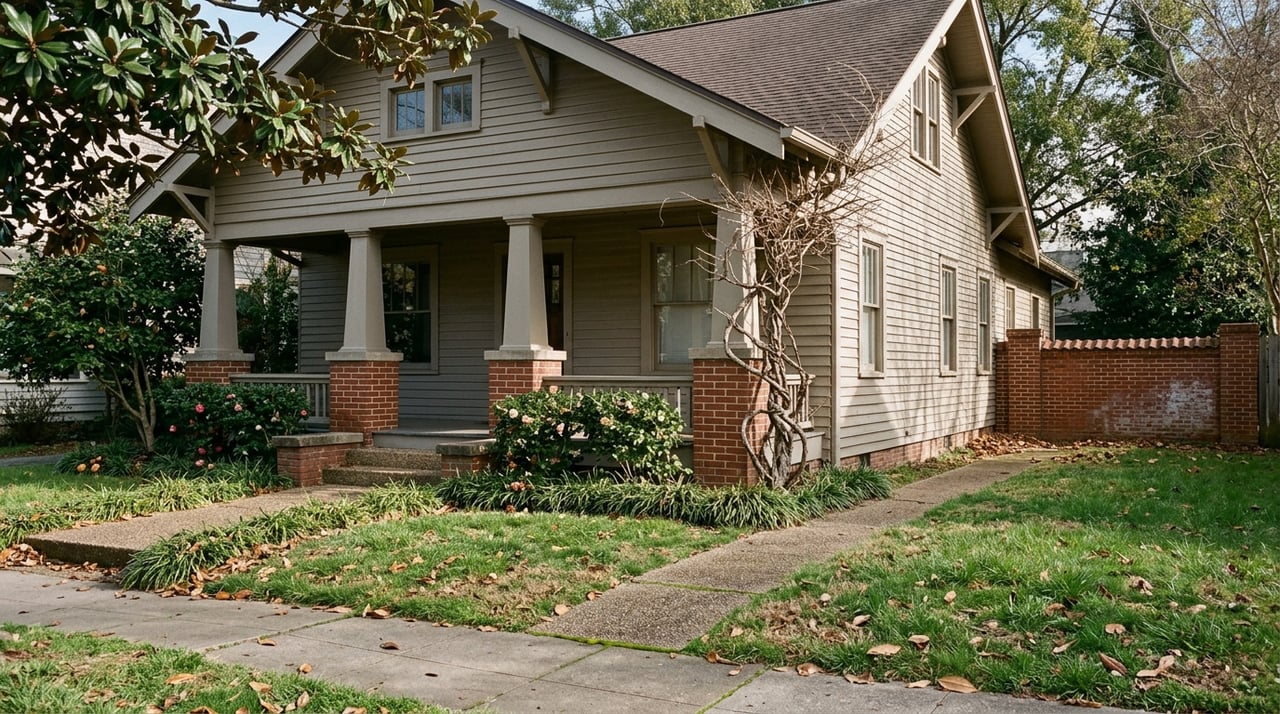
Campbell's housing stock sits almost entirely on the wrong side of that exemption. The city's single-family homes cluster around a median build year of roughly 1972, with a meaningful share, somewhere in the 8 to 9 percent range, predating 1950 entirely. That construction window isn't incidental. It's the exact era when Federal Pacific Electric shipped its Stab-Lok panels and Zinsco shipped the panels that now share its reputation, both installed heavily through the 1950s into the 1970s. A law written to flag electrical risk in older housing found its target audience in Campbell almost by definition.
The exemption draws a line, and Campbell is on the wrong side of it
Read the bill text and the mechanism is simple. If your certificate of occupancy is less than three years old, you skip the disclosure entirely. Everyone else gets the statutory notice, whether their panel is fine or not.
That structure means the law's actual weight in any given city depends entirely on how old that city's housing stock is. A neighborhood built out in the last three years absorbs this rule as a formality. A neighborhood built out between 1950 and the mid-1970s absorbs it as a genuine prompt, because that's precisely the window when the panels now flagged by insurers went into the ground.
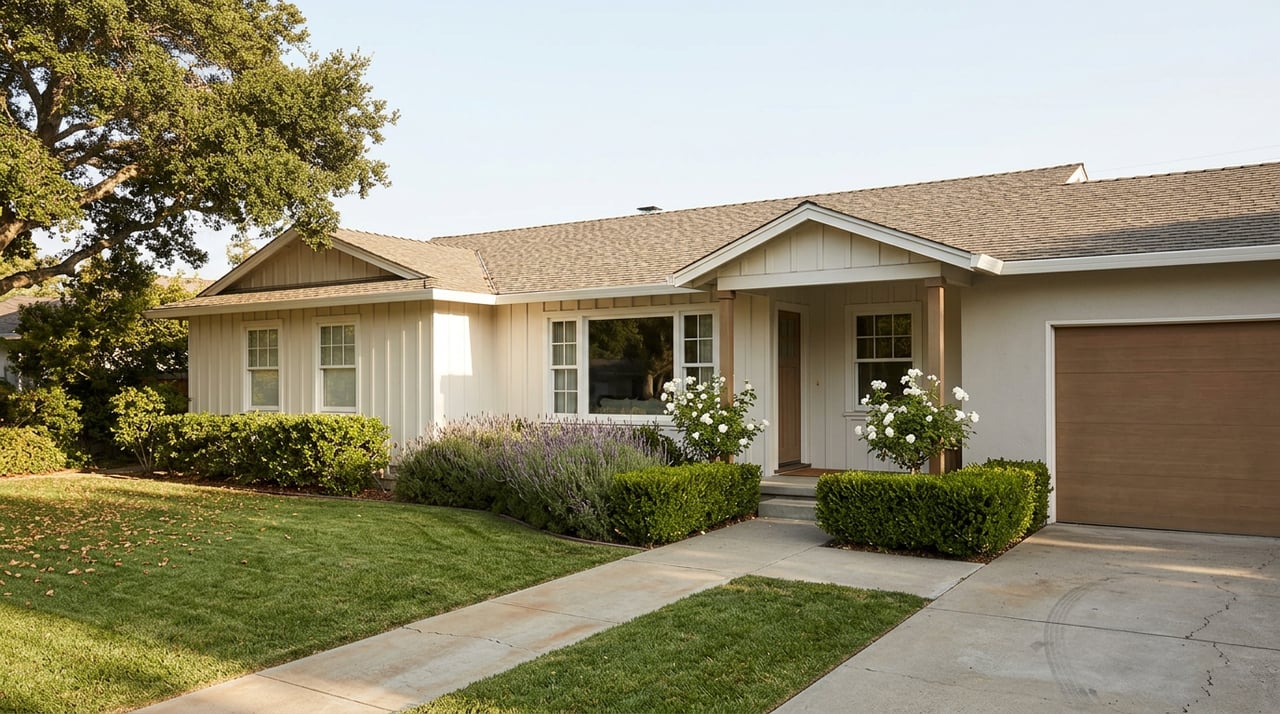
Campbell was largely built out in that postwar stretch. The oldest concentration sits around the downtown core west of the railroad, with San Tomas and the older blocks of West Campbell carrying the bulk of the mid-century ranch and bungalow stock that defines the city's character. Those are also the areas most likely to still be running original service.
What the panel brand actually determines
The disclosure statute itself lists what a qualifying safety inspection should look for: a recalled panel model, a panel considered unsafe by standard industry practice, a panel using fuses instead of breakers, or one lacking a single main disconnect. Federal Pacific and Zinsco show up in that conversation constantly, though it's worth being precise about why. Neither brand was ever the subject of a formal Consumer Product Safety Commission recall. What exists instead is a documented pattern of breakers that fail to trip during an overload, which is the one job a breaker exists to do. Independent testing on Federal Pacific breakers has shown failure rates well above what any modern panel would tolerate.
Insurers have drawn their own conclusion from that pattern, well ahead of any legislature. A growing number of carriers in California decline to write new policies on homes with Federal Pacific or Zinsco panels identified, and some non-renew existing coverage once the brand surfaces during an inspection or a claim. SB 382 doesn't create that insurance problem. It just guarantees the buyer finds out about it earlier in the process, in writing, before they've fallen in love with the house.
| Panel type | Typical installation era | Common flag today |
|---|---|---|
| Federal Pacific Stab-Lok | 1950s through 1980s, peak in the 60s and 70s | Breaker failure-to-trip, insurance decline |
| Zinsco / GTE-Sylvania | 1950s through early 1980s | Bus bar corrosion, breakers fusing in place |
| Standard 100-amp panels of the same era | Same window | Often undersized for EV chargers, heat pumps, modern loads |
What the law does not require, and why that gap matters more in an older market
SB 382 is narrower than it sounds. It requires the advisory disclosure. It does not require a seller to obtain an inspection, and it does not require anyone to replace a panel before closing. A seller who does nothing beyond handing over the statutory notice has technically complied.
That gap is exactly where Campbell sellers run into trouble, because the disclosure hands a buyer's lender and insurer a reason to ask questions the seller didn't have to answer first. A buyer who reads that notice, then finds an unfamiliar brand name on the panel during their own inspection, now has leverage in a negotiation that started before the seller had any plan for it. The statute creates the prompt. The market fills in the consequence.
The cost conversation, and the local offset most sellers don't know about
A standard panel replacement in 2026 runs somewhere between $1,300 and $4,500 for most residential jobs, with a straightforward breaker-box swap at the low end and a full Federal Pacific or Zinsco rip-out at the higher end of that range, since the surrounding wiring in a panel that old usually needs attention too. Sellers weighing whether to handle this before listing should also know that Campbell is a member community of Silicon Valley Clean Energy, which offers rebates on panel, wiring, and load-management upgrades alongside its heat pump and induction range programs, with enhanced amounts for income-qualified households. Terms and funding on programs like this shift, so anyone considering it should confirm current eligibility before counting on a specific number, but it's a real offset that a lot of sellers never think to check.
Timing is the part that actually catches people
The detail that matters most for anyone selling this fall isn't the disclosure language itself. It's when the panel question gets addressed relative to the listing date. A pre-listing inspection done four to six weeks out gives a seller time to get a bid, complete the work, and list with a clean report. Two to four weeks out is still workable for minor fixes like GFCI upgrades or panel labeling, but it's not enough time for a full panel replacement or rewire. The worst timing of all is after an offer has already come in, because at that point any flagged panel stops being a maintenance item and becomes a bargaining chip the buyer holds for the rest of escrow.
Before listing a Campbell home built anywhere near that 1950s to 1970s window, it's worth confirming three things directly:
- The panel brand and amperage, checked by a licensed electrician rather than assumed from the home's age
- Whether any prior electrical work was pulled under permit, since unpermitted panel work can complicate both insurance and the sale itself
- Whether the home's certificate of occupancy falls inside or outside that three-year exemption window, which determines whether the statutory notice applies at all
What this means if you're selling in Campbell this fall
The headline version of SB 382 is a statewide disclosure requirement that sounds uniform. The version that actually shows up in an escrow file depends entirely on when the house was built, and Campbell's housing stock puts a large share of its sellers squarely inside the window this law was written to catch. Getting ahead of the panel question before a buyer's inspector finds it is the difference between a routine disclosure and a renegotiated price two weeks before closing.
FAQ
Does SB 382 apply to condos or only single-family homes? The statute covers single-family residential property, including 1 to 4 unit residential transfers. Condominium sales fall under it when the unit itself qualifies as covered residential property, though the disclosure obligation sits with the individual seller rather than an HOA.
Do I have to replace my panel to sell my house? No. SB 382 requires only that sellers deliver the advisory disclosure statement. Replacement is a separate decision driven by insurance requirements, buyer negotiation, or a seller's own judgment, not a mandate in the statute itself.
My house was built recently. Does any of this apply to me? If your certificate of occupancy was issued within the last three years, the statutory notice doesn't apply. That exemption is precisely why this law lands so much harder on Campbell's older neighborhoods than on newer construction elsewhere in the South Bay.
If you're weighing whether to address your panel before listing, or want a straight read on how it affects your specific timeline, Gummow Brothers can walk through it with you. Sell My Home.