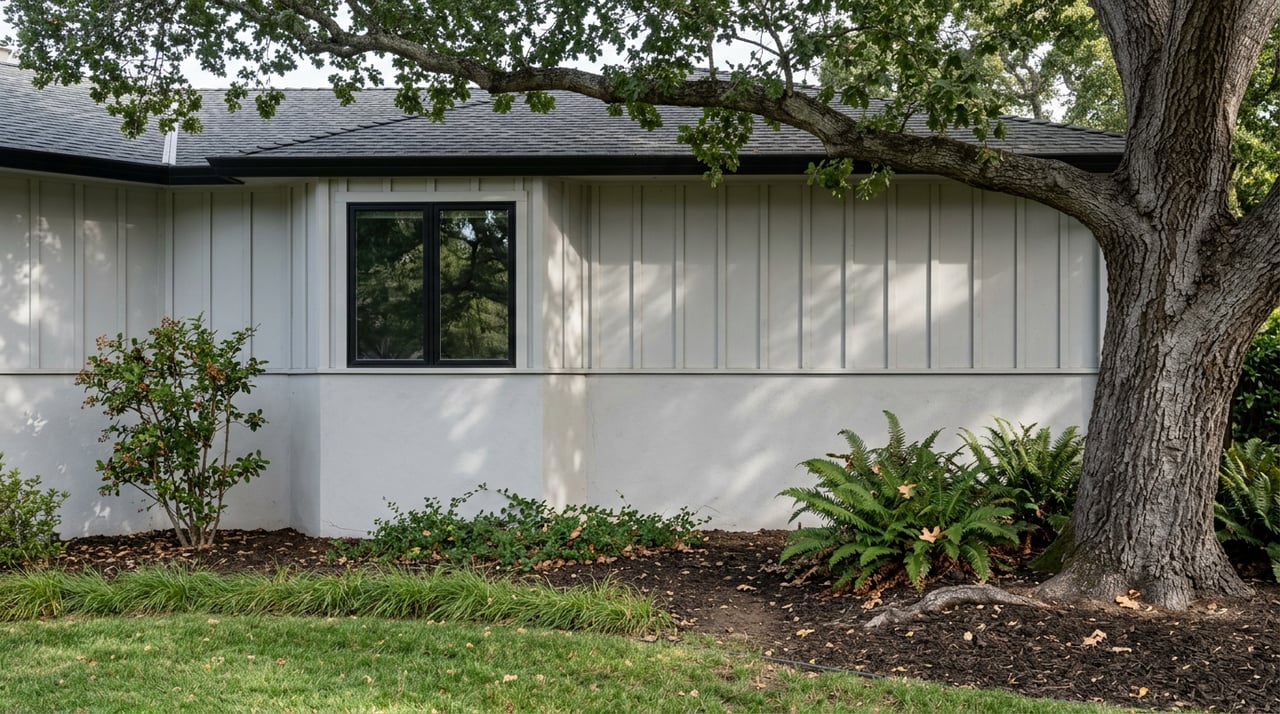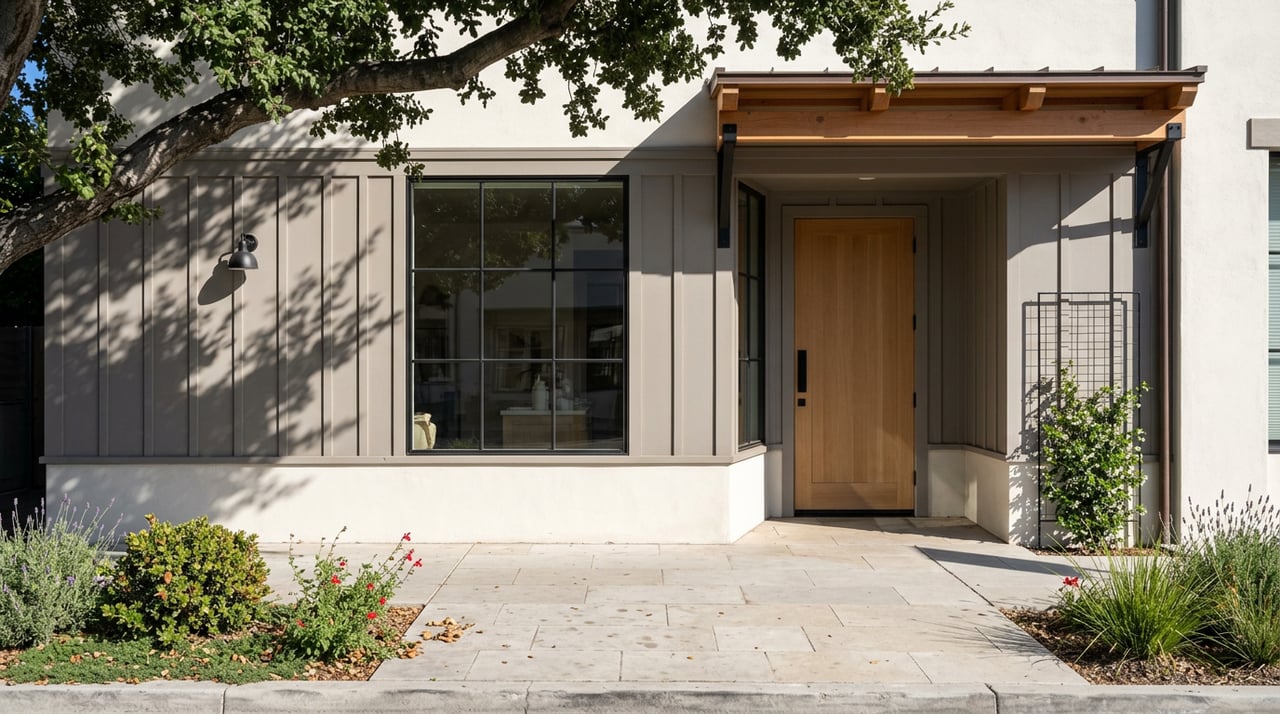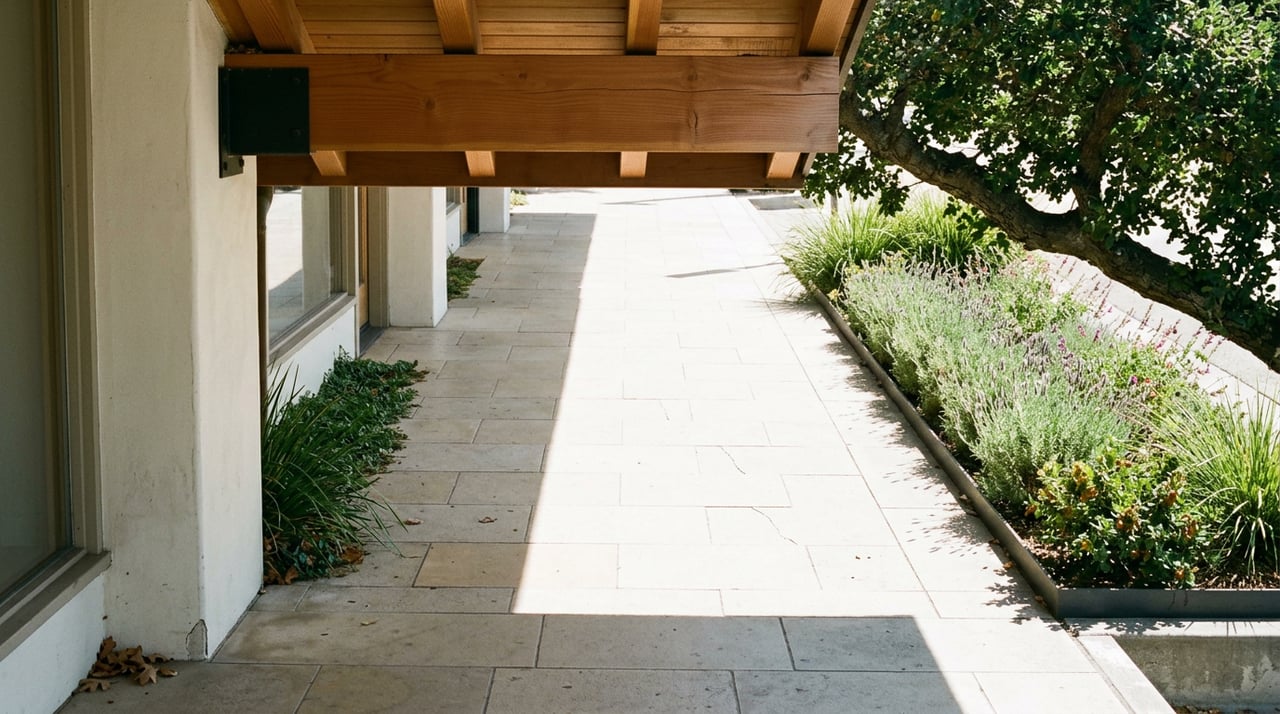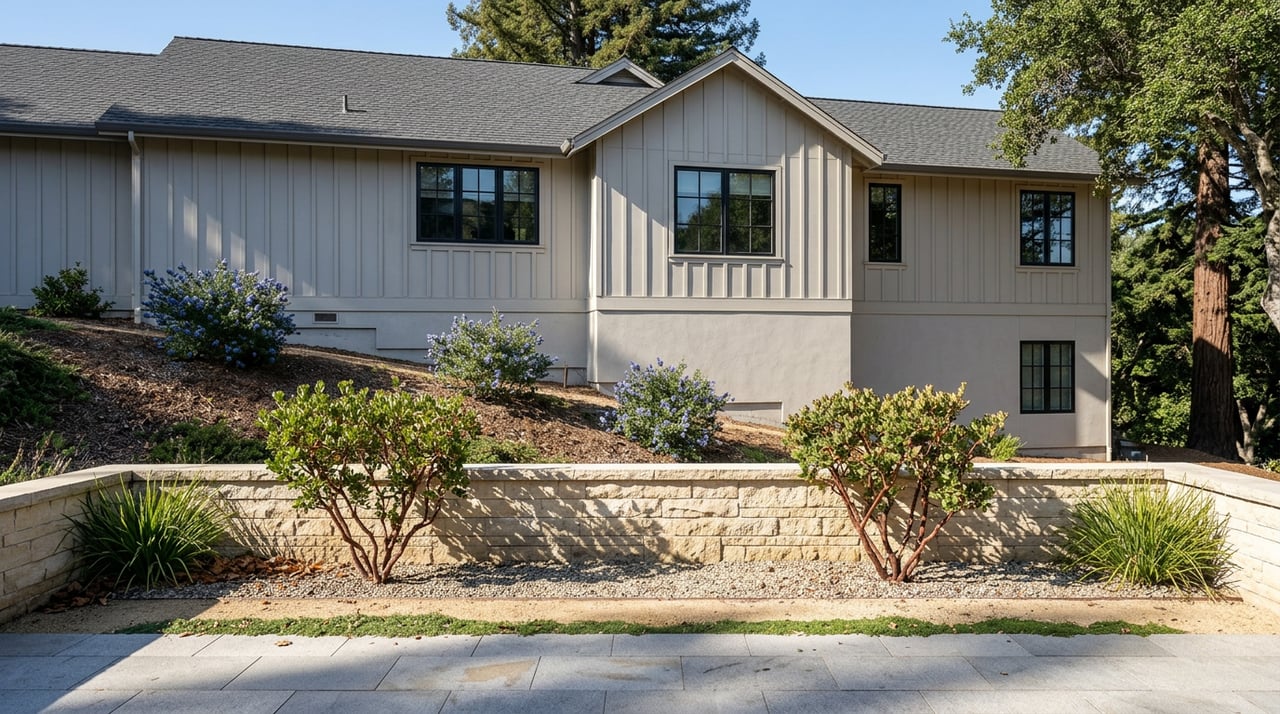
In late 2024, a Los Gatos hillside resident named Rob Stump told San José Spotlight that he never knew when the call from his insurer might come. Stump lives on a one-way, tree-covered road in the Los Gatos hills, the kind of lot that photographs beautifully and terrifies underwriters. His policy, then costing about $2,055 a year, was set to expire that November, and it stood a real chance of joining more than 1,200 other Los Gatos-area policies State Farm was declining to renew as the company pulled back from wildfire-exposed California ZIP codes.
That was two years ago. The specific dollar figure has almost certainly moved since. What hasn't moved is the underlying dynamic, and it's the one piece of the transaction that Los Gatos hillside sellers most often underestimate in 2026: the buyer's insurance binder, not the appraisal, is now the contingency most likely to stall or kill a deal.
The financing problem hiding behind every hillside listing
Lenders will not fund a mortgage without proof of bound homeowners insurance. That rule hasn't changed. What has changed, in Los Gatos and across California's Very High Fire Hazard Severity Zones, is how hard it has become to get that binder in place on schedule.
For a growing share of hillside buyers, the path runs through the California FAIR Plan, the state's insurer of last resort, which caps dwelling coverage well below what it actually costs to rebuild a custom hillside estate. Rebuild costs for Bay Area luxury homes commonly run $400 to $850 per square foot once labor, permitting, and defensible-space-compliant materials are factored in. A FAIR Plan policy alone rarely satisfies a lender because it only covers fire, not liability or additional living expenses, so most buyers also need a Difference in Conditions wrap from a separate carrier. Assembling both pieces, getting them underwritten, and getting them bound in time to remove a loan contingency takes real calendar days.
That's the part sellers miss. A buyer who writes a clean offer in week one can still fail to close in week five, not because financing fell through in the traditional sense, but because nobody started the insurance conversation early enough to solve it before the contingency deadline arrived.
What the Town of Los Gatos actually changed, and why it matters to a listing
Los Gatos hasn't just watched this problem develop. The town has rewritten parts of its own code in response, and the specifics matter if you're preparing a hillside home for market.
The town amended Chapter 9 (Fire Protection) to require a five-foot nonflammable zone around new structures in the Wildland Urban Interface, and it amended Chapter 11 (Garbage, Refuse, and Weeds) to expand mandatory roadside weed abatement from five feet to ten. Most relevant for a seller who wants to do defensible space work before listing: the town amended Chapter 29, its tree protection ordinance, so that trees removed or maintained specifically for defensible space are now treated as exceptions to standard heritage tree protections. Before that change, a homeowner clearing hazard trees near a structure could find themselves negotiating with the town's tree ordinance at the same time they were negotiating with a fire inspector. That friction is largely gone now.
Los Gatos also submitted a Fire Risk Reduction Community application in July 2025, and the town's most recent public update, posted before this article, listed final Board of Forestry action as expected around June 2026. Sellers should confirm the current status before citing it, but the direction is clear: if approved, the designation would add a community-level discount category under California's Safer from Wildfires regulation, the same framework that already lets FAIR Plan policyholders earn premium discounts for documented mitigation work. A seller who can point to that designation, plus their own defensible space documentation, is offering a buyer's insurance broker something concrete to work with instead of a cold underwriting file.
Separately, the town has been running FEMA-funded vegetation management in the Heintz and Santa Rosa open space areas, with follow-up maintenance work in Worcester, Novitiate, and La Rinconada Parks. None of that shows up in a listing photo, but a buyer's insurance broker or a sharp buyer's agent may ask about it, because open space fuel reduction adjacent to a property is exactly the kind of context that shapes an underwriter's risk score.
The state deadline behind the insurance market's shift
The town-level changes sit on top of a state law that explains why insurers are behaving the way they are. AB 3074 established four defensible space zones around any structure in a fire hazard severity zone, with Zone 0, the ember-resistant area within five feet of the home, receiving the most attention because wind-driven embers, not the flame front itself, cause most home ignitions.
| Zone | Distance from structure | Requirement |
|---|---|---|
| Zone 0 | 0 to 5 feet | Ember-resistant, noncombustible materials |
| Zone 1 | 5 to 30 feet | Lean, clean, and green vegetation management |
| Zone 2 | 30 to 100 feet | Reduced fuel loading, thinned brush |
Under the law, existing homes in Very High Fire Hazard Severity Zones, which cover large portions of Los Gatos, face a compliance deadline of January 1, 2027. Homes in High severity zones follow a year later. Formal enforcement of the Zone 0 standard is still pending final rulemaking from the State Fire Marshal, which means the legal deadline hasn't technically arrived yet.
The insurance market didn't wait for the rulemaking. Carriers and the FAIR Plan are already underwriting to the Zone 0 standard, which means the practical deadline for a hillside seller is not January 2027. It's whatever day your buyer's insurance broker pulls your address.
Layered on top of AB 3074 is SB 429, effective January 1, 2026, which established the nation's first public wildfire catastrophe model. It gives homeowners and, by extension, buyers and their insurance brokers a standardized way to see how a specific address scores on wildfire risk, rather than relying on each carrier's proprietary black box. For a seller, that means the property's risk profile is becoming more visible and more comparable across carriers, not less.
What belongs in the disclosure and marketing packet
None of this replaces the standard Natural Hazard Disclosure statement, which already flags Fire Hazard Severity Zone status. But a hillside seller who wants to keep a deal moving through escrow should be assembling a second, informal packet alongside it:
- A current defensible space inspection record. The Fire Prevention Division at Santa Clara County Fire, reachable at (408) 378-4010, offers a free inspection review for hillside properties, and the Santa Clara County FireSafe Council separately offers free Home Ignition Zone evaluations.
- Dated before-and-after photos of any brush clearing, vent screening, or roof work done to meet Zone 0 and Zone 1 standards.
- Documentation of participation in a Firewise USA community, if applicable. It's the same kind of neighborhood-level program Stump's roughly 60-home neighborhood used, with residents pitching in about $700 each for a single roadside brush-clearing effort.
- Any correspondence about the town's Fire Risk Reduction Community application, since an approved designation could translate into a real discount for the next owner.
Buyers increasingly hand this packet straight to their insurance broker before removing contingencies, because a broker who can show mitigation evidence has a real shot at getting the home rated by an admitted carrier instead of routed straight to the FAIR Plan.
Where this shows up first in Los Gatos
The town's own hazard maps show mandatory defensible space requirements running through neighborhoods that many buyers don't associate with wildfire risk, including Vista del Monte, Glenridge, and much of the Civic Center-adjacent hillside fringe, not just the most remote canyon lots. The jurisdiction extends beyond Los Gatos proper. The Santa Clara County Fire Department, which handles inspections and hazard mapping here, also covers Monte Sereno, Saratoga, Campbell, Cupertino, Los Altos, Los Altos Hills, and San Martin, so a buyer comparing a Los Gatos hillside listing against a similar property in a neighboring foothill town is facing the same underwriting questions on both.
A few questions worth answering before you list
Does this only apply if my home is literally up in the canyons? No. Very High Fire Hazard Severity Zone and Wildland Urban Interface designations extend into in-town neighborhoods that don't read as remote. Check the property against the town's map before assuming it's exempt.
I already have insurance. Doesn't that mean the home is fine to sell? Not necessarily. Your policy isn't transferable, and a buyer's lender needs the buyer's own bound coverage in place, underwritten against the buyer's profile and the carrier's current appetite for the area, which can differ from your existing terms.
How early should the insurance conversation start in escrow? Earlier than most sellers expect. Given how long it can take to assemble a FAIR Plan policy and a matching DIC wrap, encouraging your buyer to request quotes in the first week of escrow, not after the contingency period is nearly up, is one of the more useful things a listing agent can do.
Insurance has quietly become part of the pricing and marketing conversation for hillside homes in Los Gatos, not just a box to check near closing. A seller who treats the documentation seriously before going to market gives a buyer's lender and insurance broker fewer reasons to slow things down. That's the kind of preparation Gummow Brothers builds into every hillside listing strategy. Sell My Home.