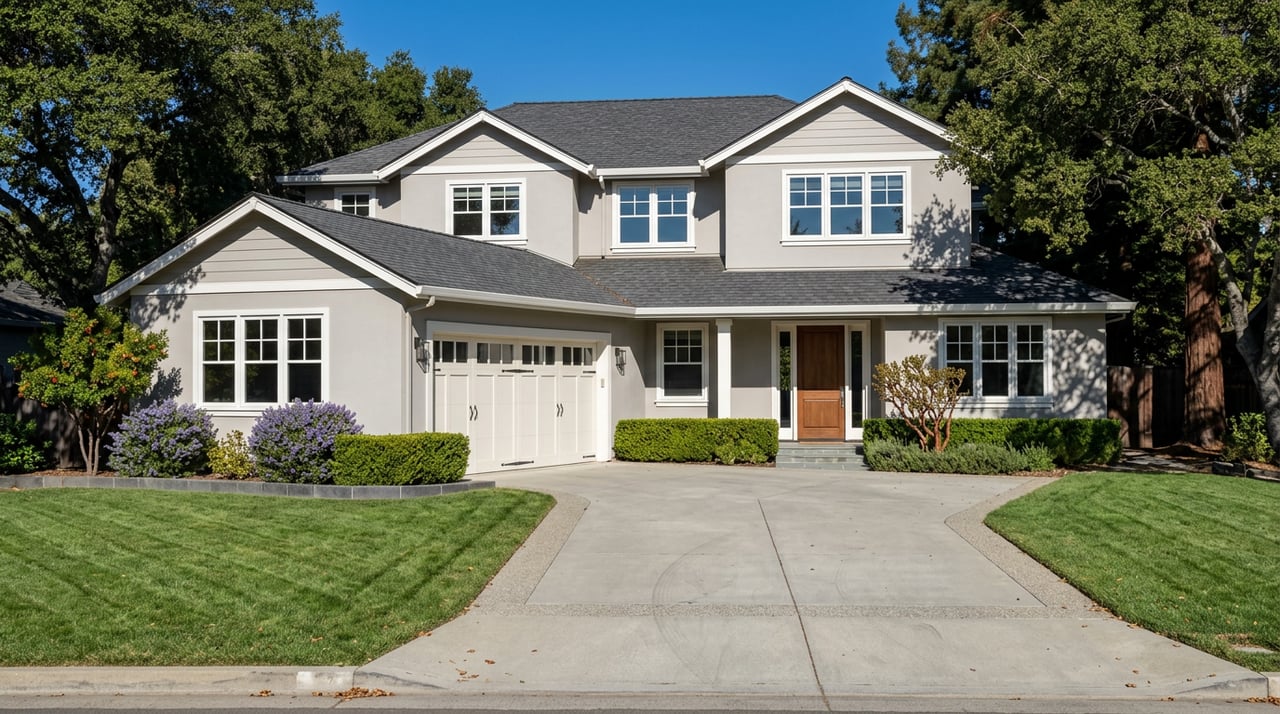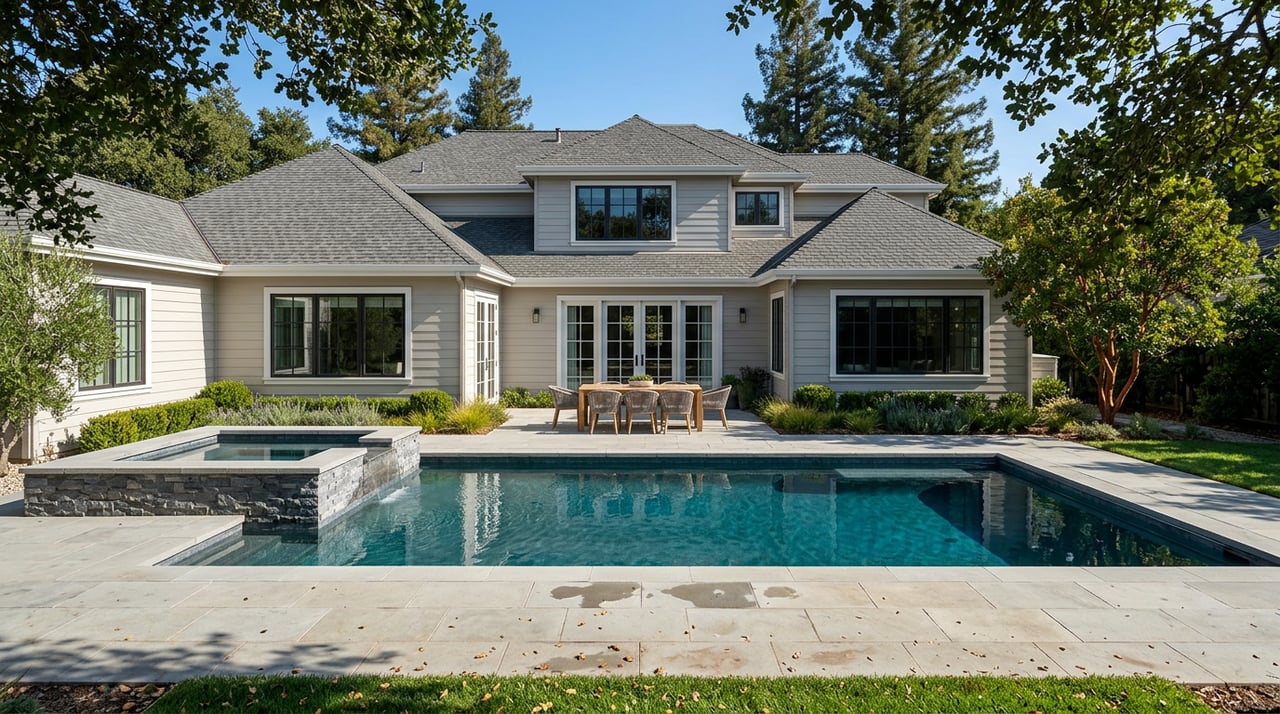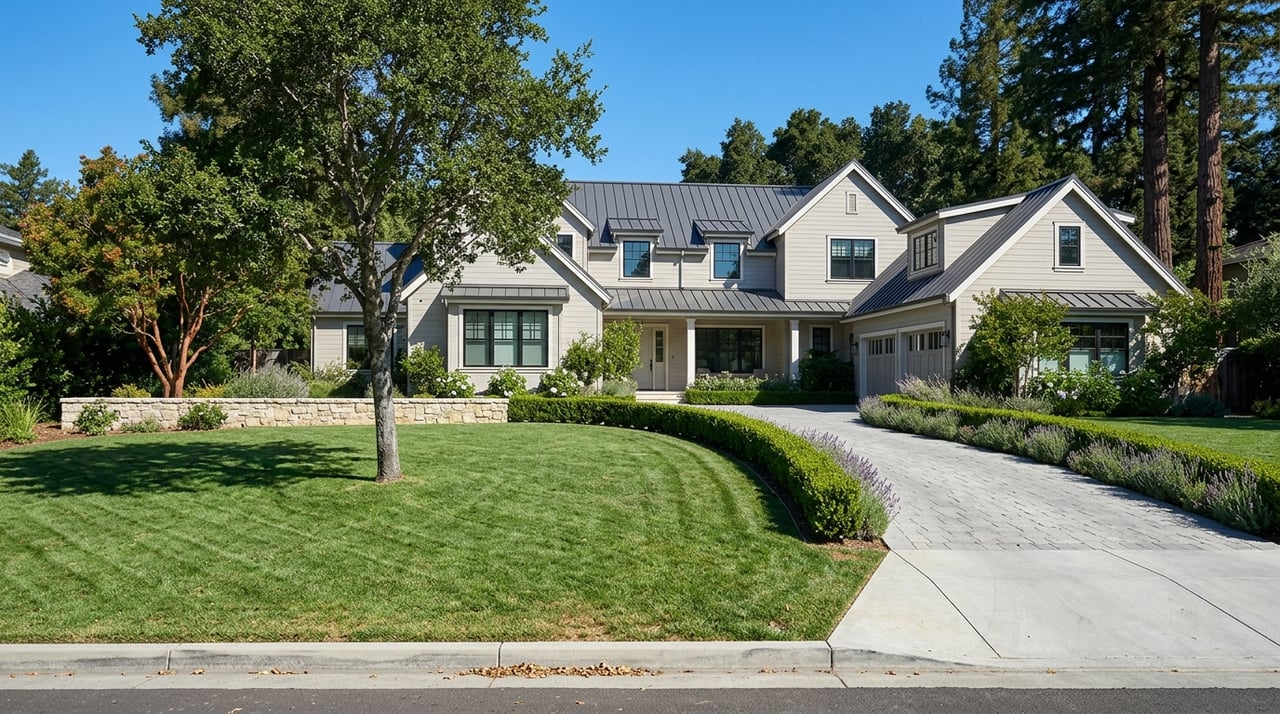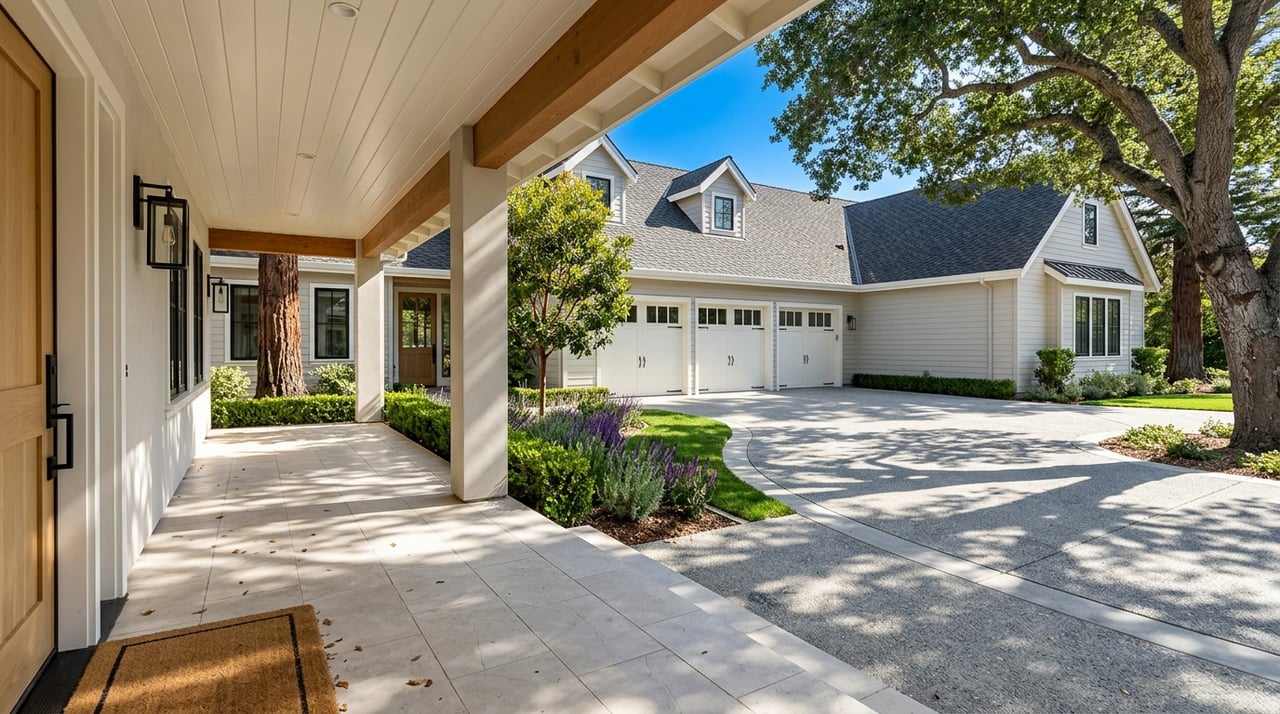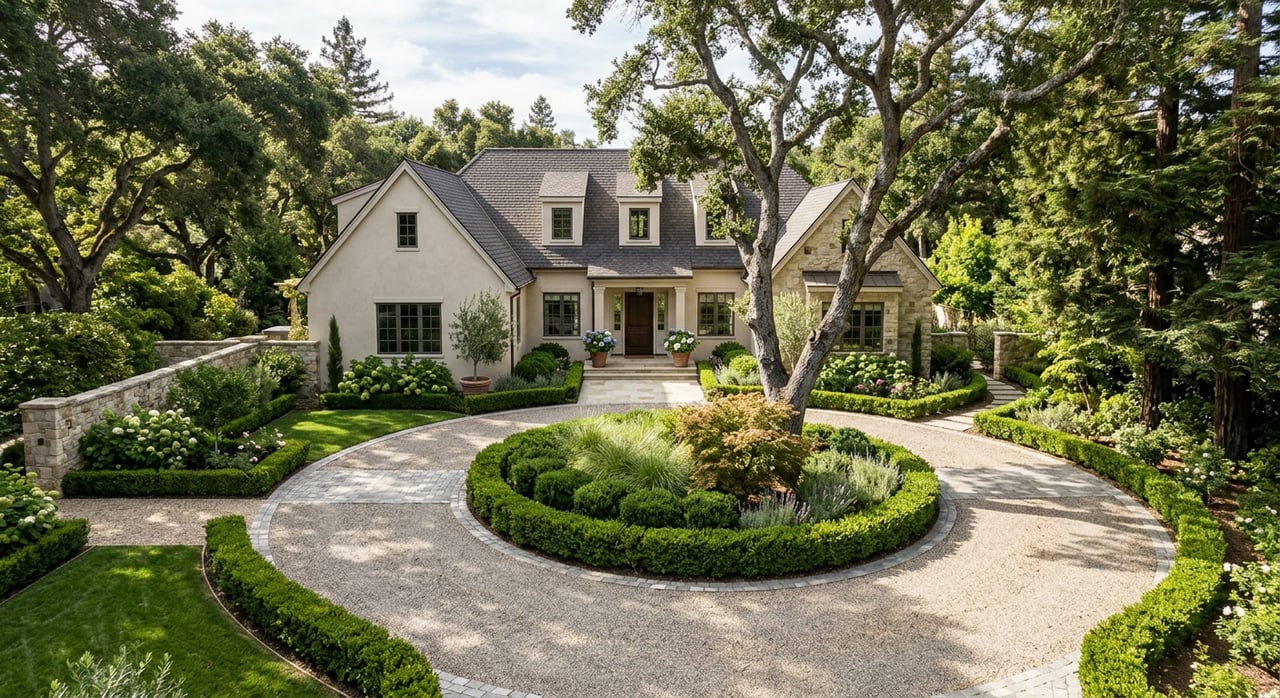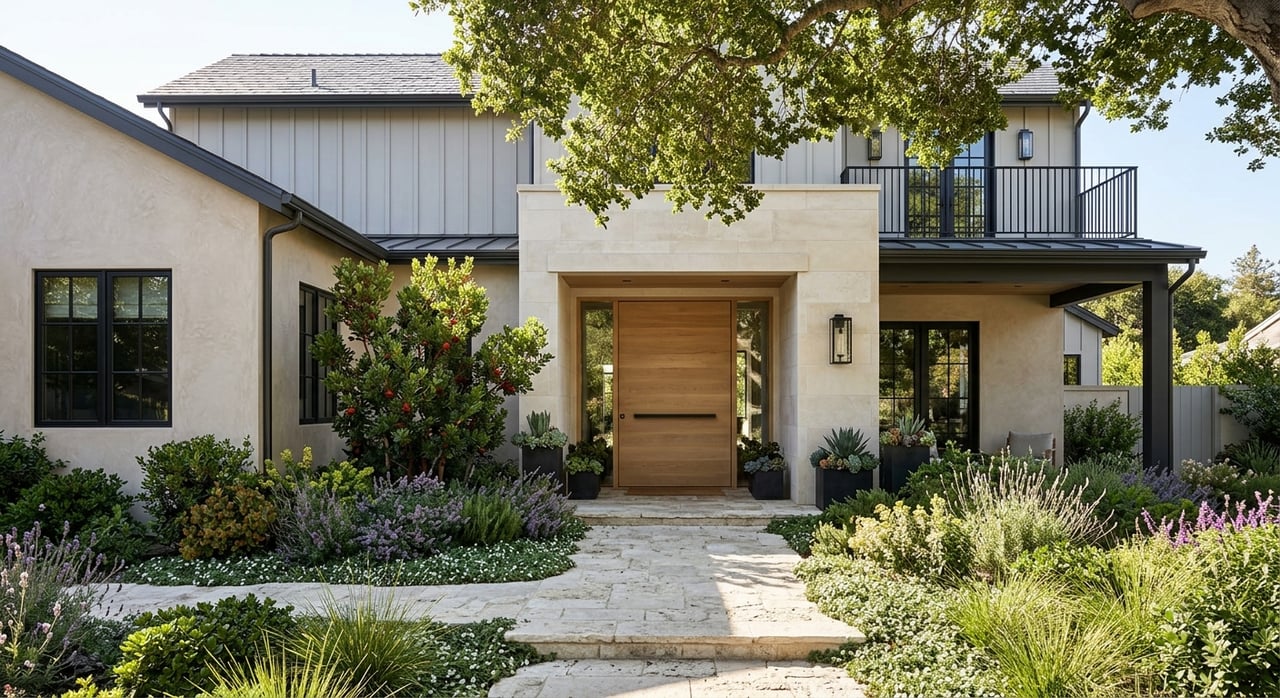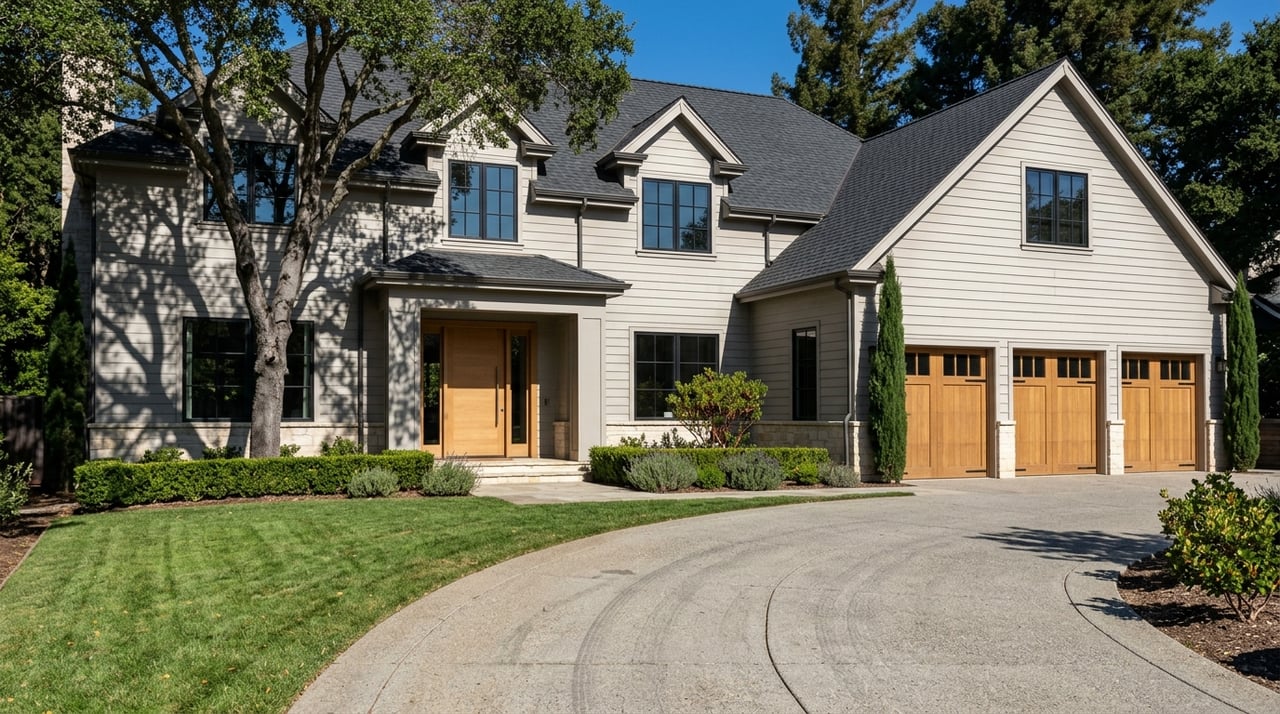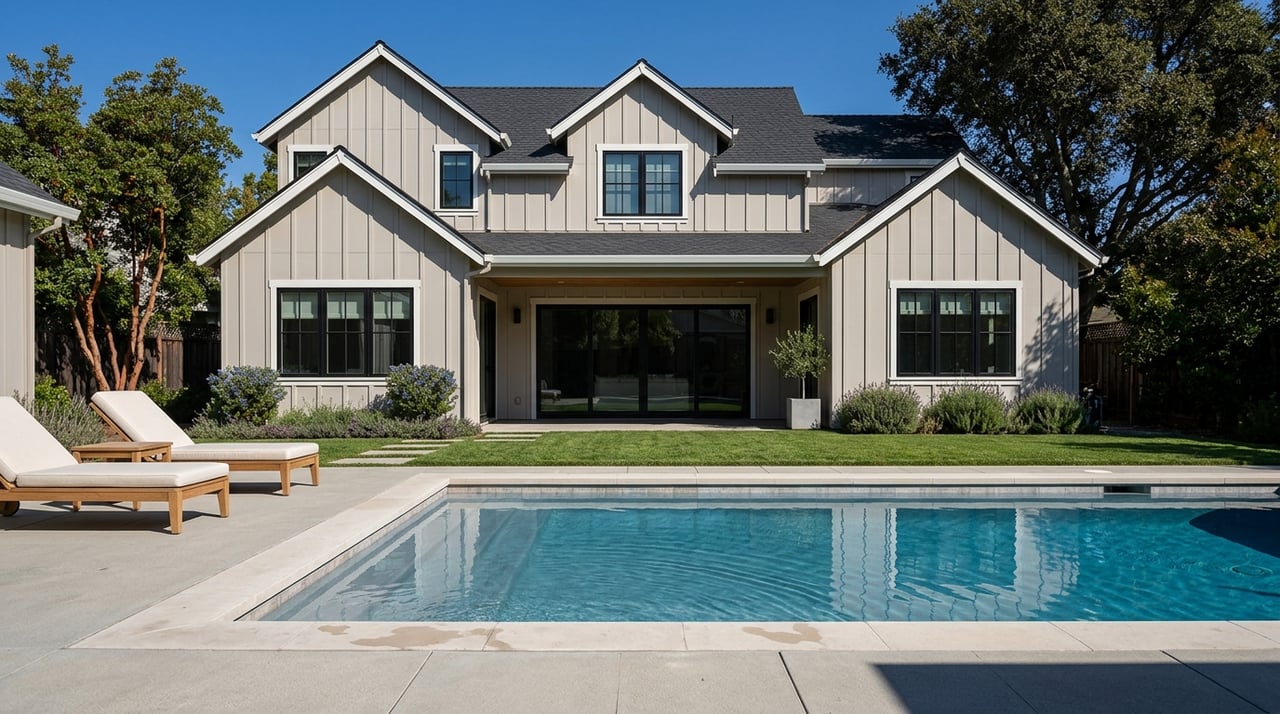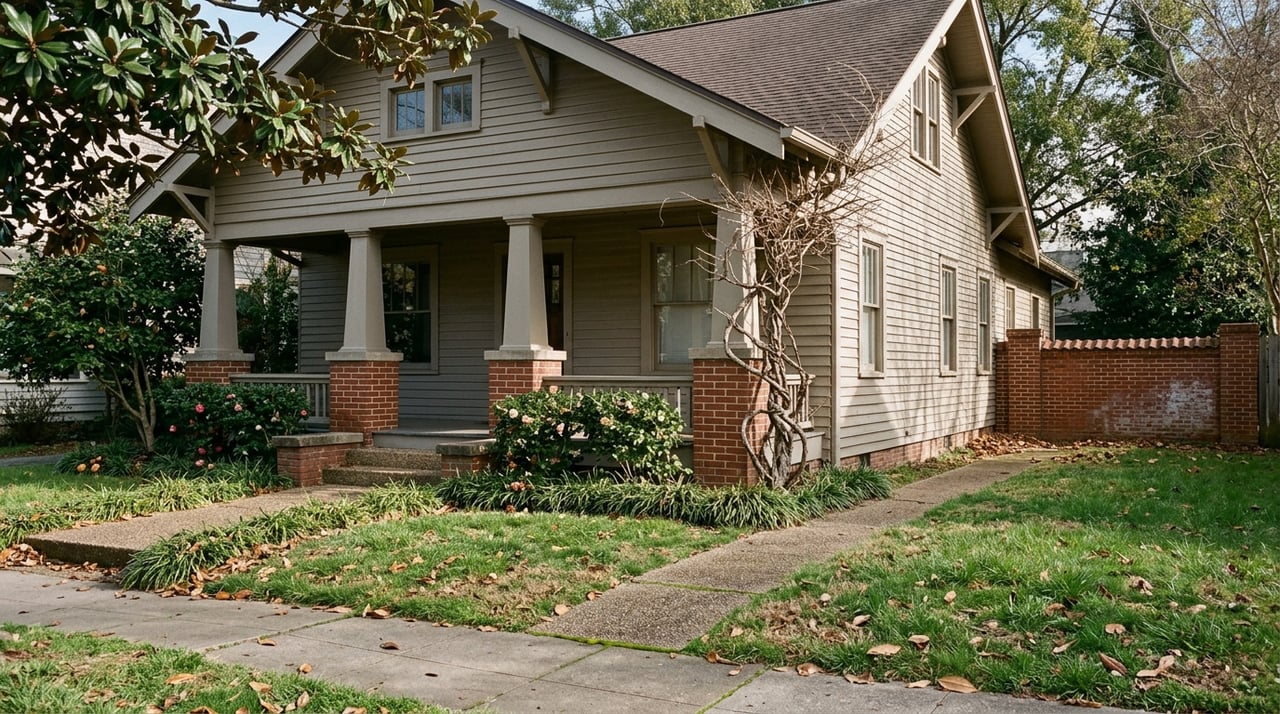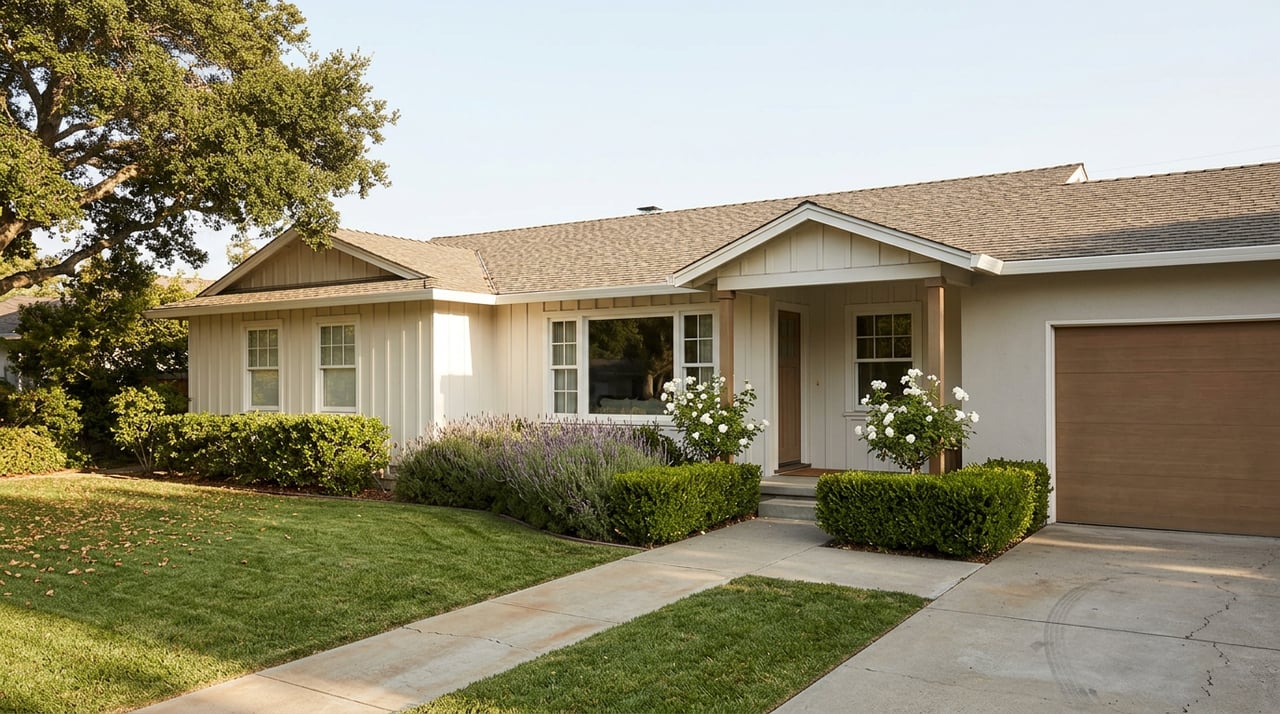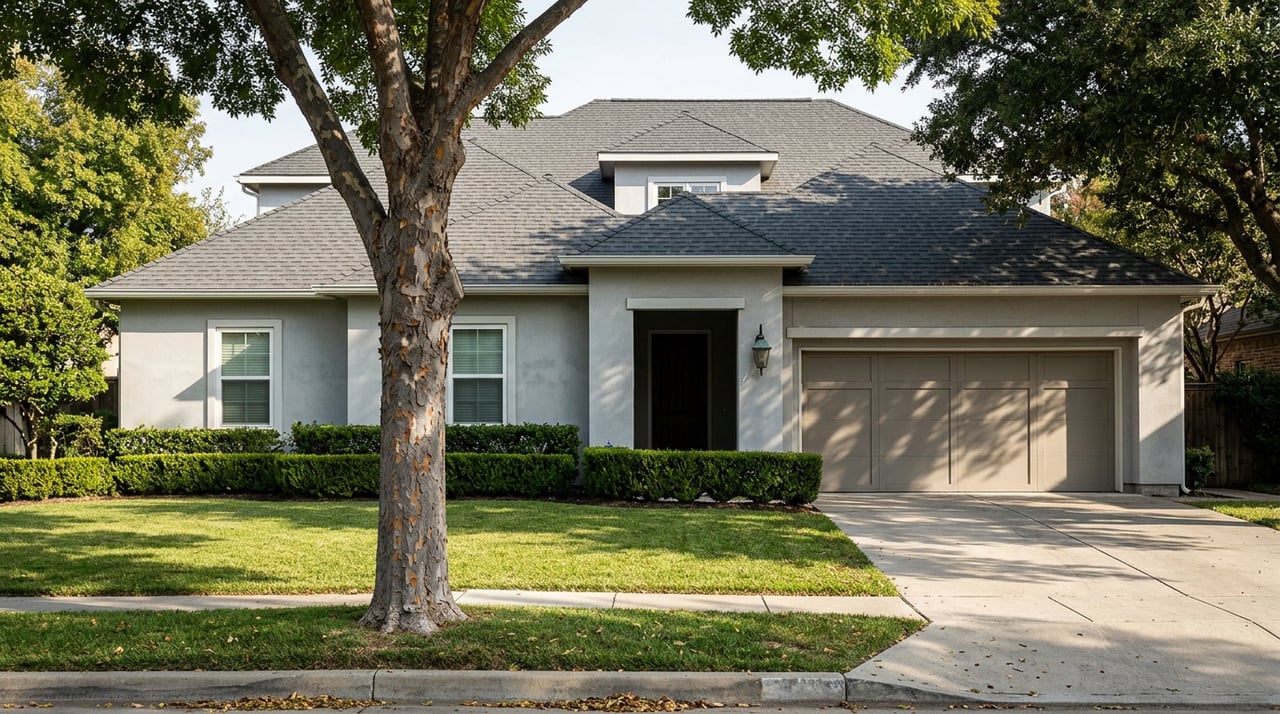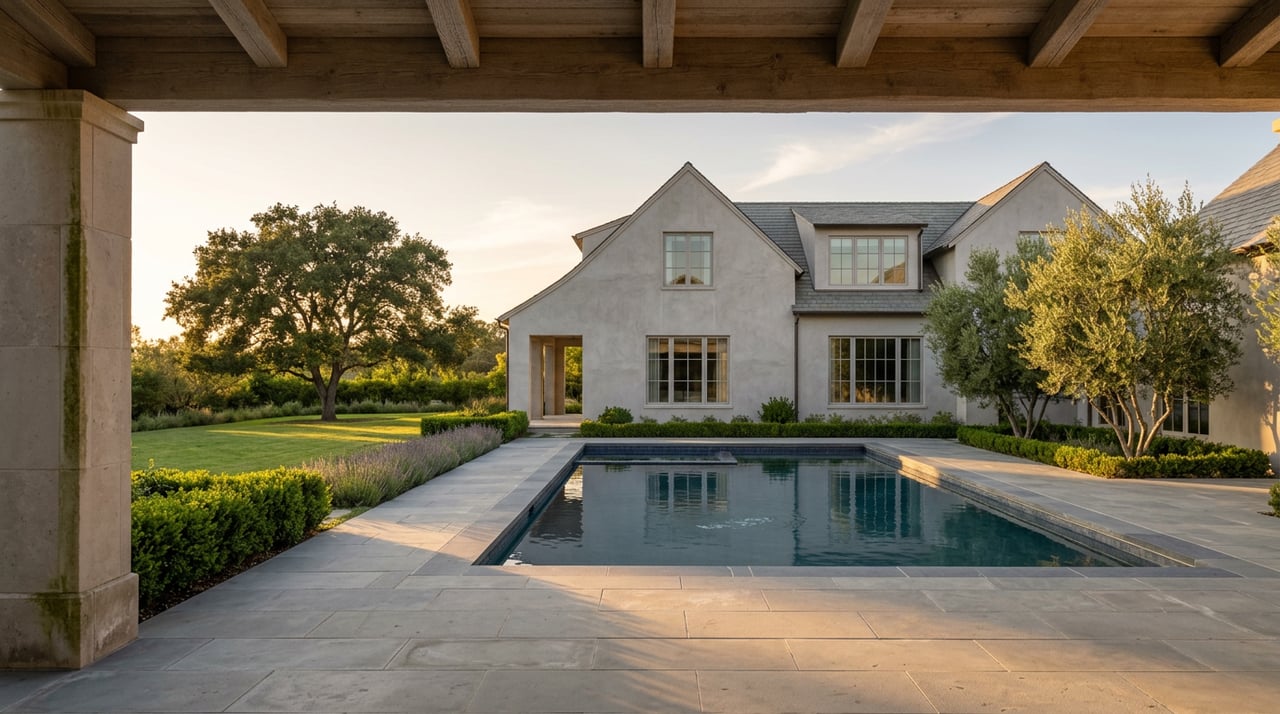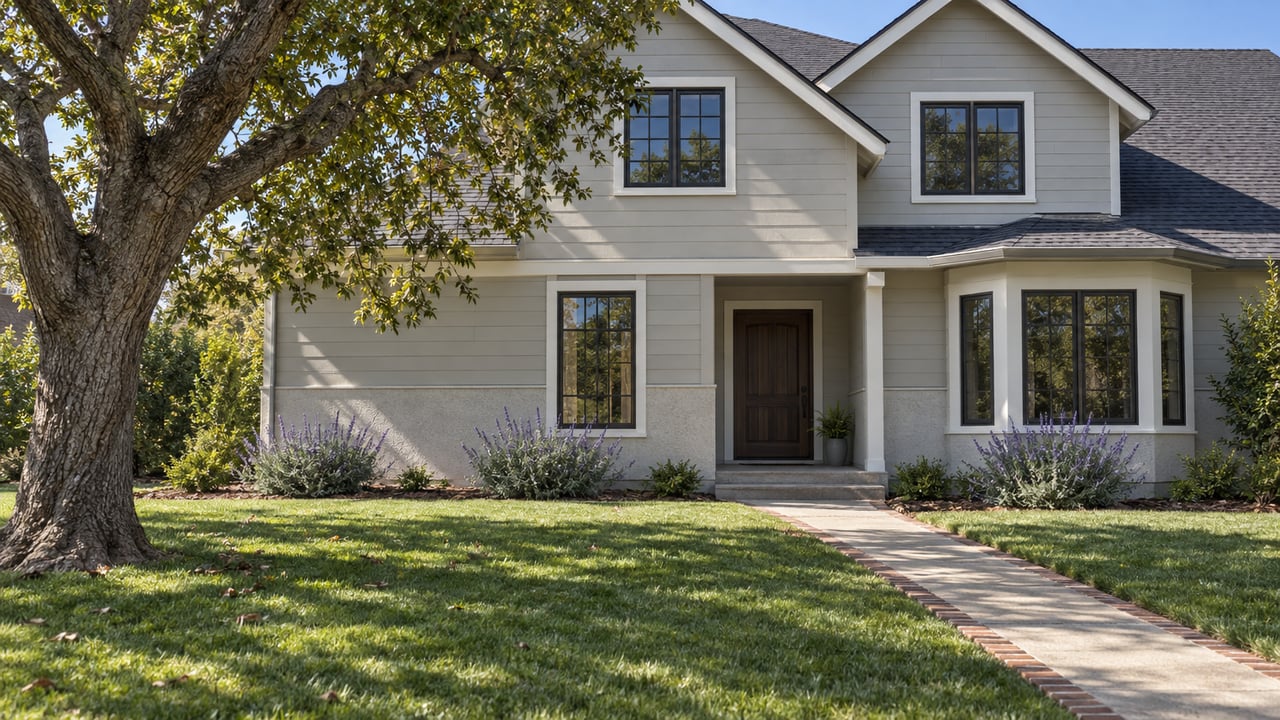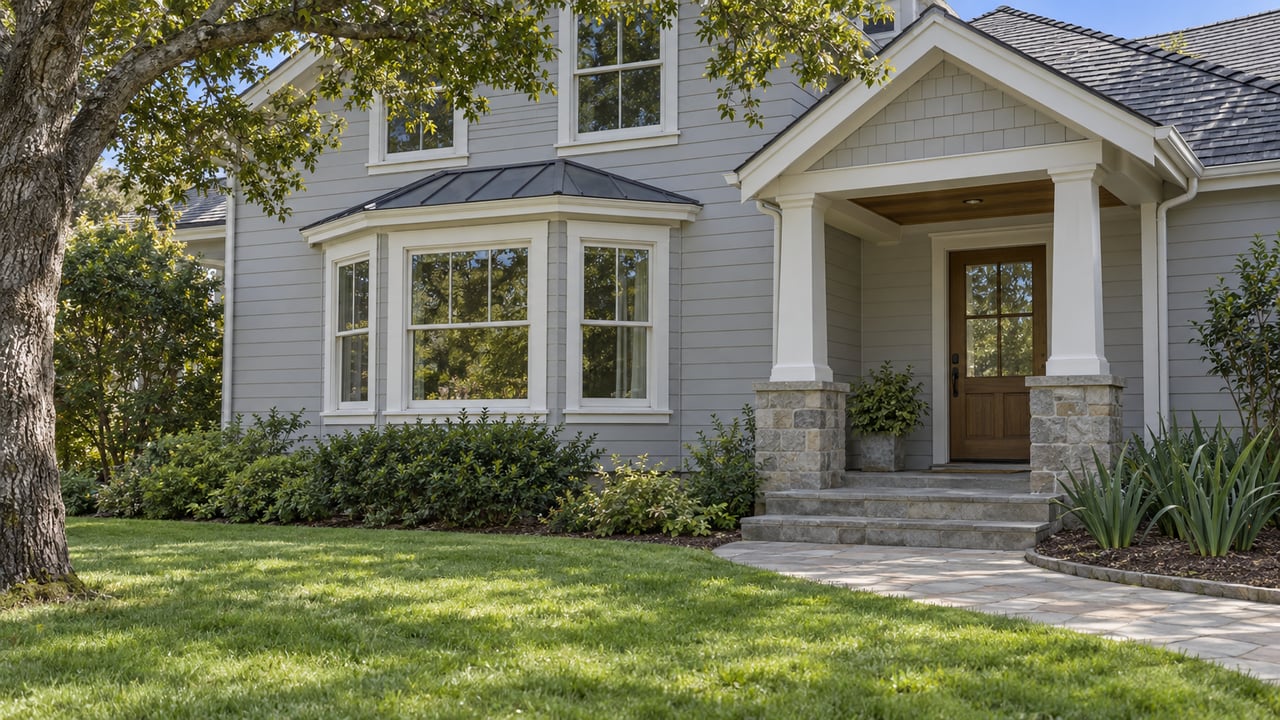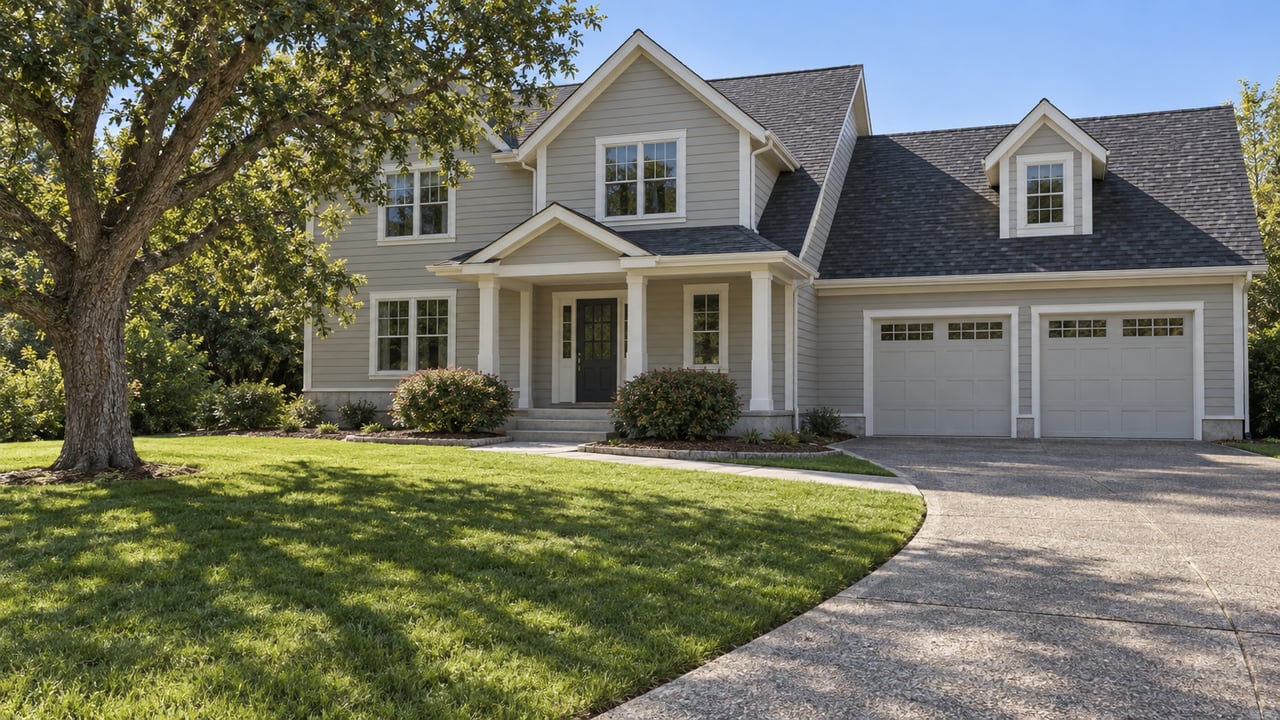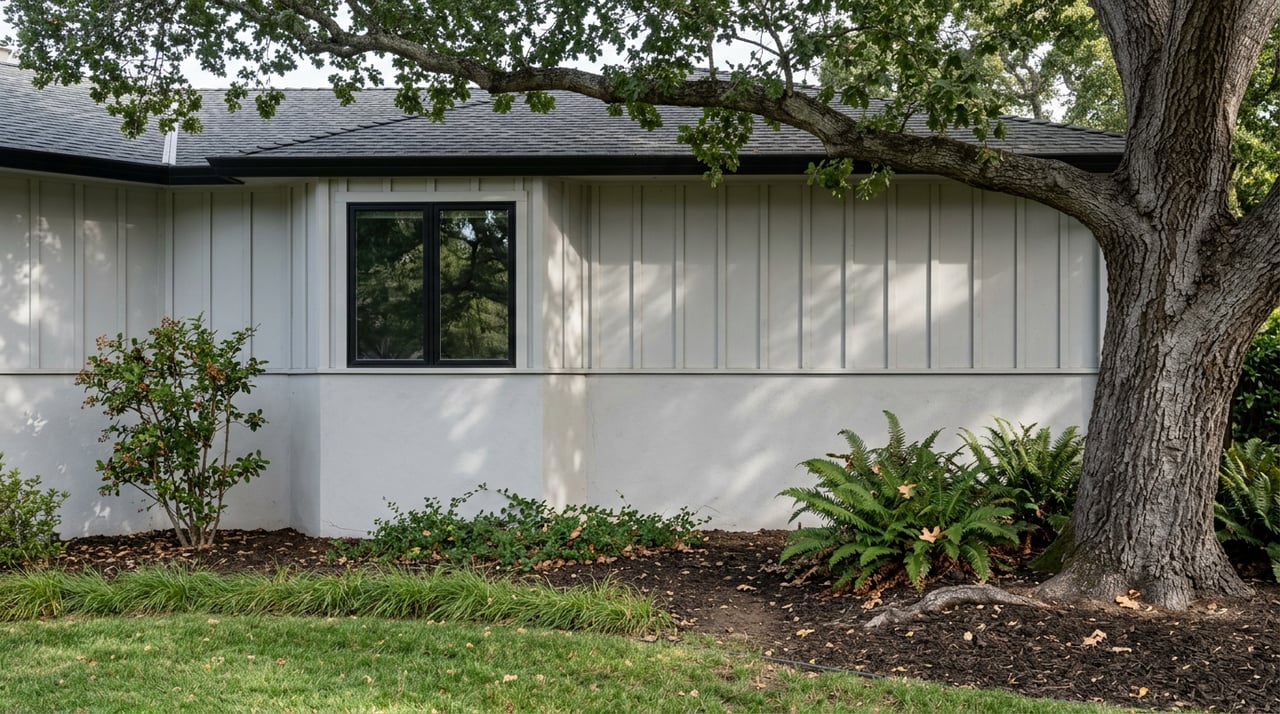
Picture this. You win a bidding war on a Saratoga lot in ten days flat, the same pace nearly every home in town is closing on right now. You paid a premium in part because the backyard looked big enough for the addition you have been planning since the first walkthrough. Then the arborist you finally call in escrow tells you the mature oak near the property line has root zones running straight through where your foundation was supposed to go.
That is not a hypothetical edge case in Saratoga. It is the default risk of buying here with renovation plans, and it just got more consequential, not less, even though the city's headline tree news this year sounds like a loosening of the rules.
What the March update actually changed
Saratoga's City Council approved updates to its tree regulations that took effect March 6, 2026, framed around wildfire preparedness and the state's evolving defensible space standards. The most visible change: homeowners citywide can now remove a tree within five feet of their home without the usual public notification and neighbor appeal process, as long as they maintain a non-flammable zone in that same five-foot ring. That part is genuinely new flexibility, and it matters if your five-foot perimeter has a pine or eucalyptus pressed against the siding.
Read past the headline and the story changes. Everywhere else on a typical Saratoga lot, any tree with a trunk diameter of 10 inches or more, measured at 4.5 feet above grade, is protected regardless of species. Certain native species are protected at an even smaller 6-inch diameter. Street trees, designated Heritage Trees, and any tree planted as required mitigation are protected at any size.
So if your renovation plan involves a rear addition, a detached ADU, a pool, or a new driveway alignment, and the tree in question sits anywhere other than within five feet of the existing structure, none of the March changes help you. You are working under the same rules that have shaped Saratoga building envelopes for years.
The thresholds that actually govern your footprint
| Tree category | Protection trigger | What it means for renovation |
|---|---|---|
| Any species, general | 10-inch trunk diameter (31-inch circumference) at 4.5 ft | Requires arborist review if construction occurs within 5 ft of the canopy dripline |
| Listed native species | 6-inch trunk diameter (19-inch circumference) at 4.5 ft | Same review trigger, lower size threshold |
| Street trees, Heritage Trees, required replacements | Protected at any size | Removal is rarely approved regardless of construction plans |
| Trees within 5 ft of an existing home (citywide, post-March 2026) | No size threshold for the wildfire exception | Removable for defensible space without public notice |
Outside that narrow five-foot ring, a construction project proposed under or within five feet of a protected tree's canopy dripline still triggers a full arborist report and a Tree Protection Plan. Even work that would not otherwise need a building permit, such as grading, trenching for utilities, or simply parking equipment near the tree, still needs a tree encroachment permit if the root zone is affected.
Why this bites harder in a market moving this fast
Saratoga's resale market over the three months ending in May 2026 posted a median sale price of $4.1 million, up roughly 4.3 percent from the same period a year earlier, with homes drawing an average of three competing offers and closing in about ten days. That pace leaves almost no room for the kind of due diligence a renovation buyer actually needs.
A proper tree survey, one that maps every protected trunk and canopy dripline against a proposed floor plan, takes longer than a ten-day escrow allows if you are starting from scratch after your offer is accepted. Most buyers in this market are not commissioning that survey before they remove contingencies. They are commissioning it after, which means the conflict between the oak and the addition surfaces only once the property is already theirs.
This is also where Saratoga's tear-down path gets more complicated than it looks on paper. Older homes on desirable, larger lots, the kind that typically sell in the $2 million to $5 million range on land value alone, are the most common candidates for a full rebuild rather than a remodel. But a rebuild does not sidestep the tree ordinance. It runs the same arborist review, and a mature specimen sitting in the middle of an otherwise ideal building envelope can force a redesigned foundation, a shifted driveway, or a smaller footprint than the lot's zoned floor area ratio would otherwise allow.
Saratoga's zoning caps buildable floor area at roughly 35 to 45 percent of lot size depending on the district. In practice, the tree ordinance is often the tighter constraint of the two. A lot that pencils out generously under FAR can still be substantially reshaped by where a protected canopy happens to sit.
The process itself adds real time and cost most buyers do not budget for at offer time. Any project requiring arborist oversight runs through a City-managed arborist deposit account, an initial deposit plus a non-refundable technical fee, billed hourly as the City Arborist reviews the project. A separate tree protection security deposit or bond covers the trees potentially affected during construction, released only after a final building inspection confirms the protection plan was followed. Closeout on that account alone typically takes six to eight weeks after construction wraps.
Replacement requirements diverge depending on where the lot sits. The City of Saratoga says properties inside the Wildland-Urban Interface, which covers most of Saratoga's western hillsides, require two replacement trees for every protected tree approved for removal. Properties outside the WUI instead owe replacement value equal to the appraised worth of the trees removed, either planted on site or paid into the city's tree fund. Either way, removal is not free, and it is rarely fast.
None of this shows up in a typical mental renovation budget. A full backyard build-out on a non-estate Saratoga lot commonly runs $30,000 to $75,000 before factoring in tree preservation, and estate-level landscape work can run $75,000 to $200,000 or more. Preserving root zones, hand-digging near canopy drip lines, and rerouting drainage around a protected tree adds labor that rarely appears in the first-draft estimate a homeowner sketches out before ground is broken.
What to check before you waive contingencies
- Request a tree survey during your inspection period, not after close, mapping trunk diameters and canopy driplines against any addition, ADU, or driveway change you are planning.
- Call the City Arborist's office directly to ask whether a specific tree on the lot would trigger review under the 10-inch, 6-inch, or Heritage Tree standards before you finalize a floor plan.
- Confirm whether the parcel sits inside the Wildland-Urban Interface, since that determines which replacement requirement applies.
- Budget separately for the arborist deposit account and tree protection bond rather than folding them into a general contingency line.
Reading the pattern
The March update includes a wildfire-related exception for trees within five feet of a home. But for anyone buying in Saratoga with a renovation or rebuild in mind, the operative rule has not changed. The 10-inch trunk on the far side of the yard still governs the floor plan more than the setback line does, and the city's own review process, with its deposit accounts, replacement math, and multi-week closeout, still takes longer than a ten-day escrow gives most buyers time to plan around.
The lots that make the best renovation candidates are rarely the ones with the fewest trees. They are the ones where a buyer checked the canopy against the floor plan before the offer went in, not after.
If you are evaluating a Saratoga property with renovation or rebuild plans in mind, Gummow Brothers can walk the lot with you before you write the offer, not after you have already won it. Sell My Home.
This article is general information, not legal, tax or financial advice. Consult a qualified professional about your situation.