Contact
Address
214 Saratoga Los Gatos Rd
Los Gatos, CA 95030
Gummow, Brandon | CA DRE# 02055753
Gummow, Nicholas | CA DRE# 02053642
Sereno Group, Inc. | CA DRE# 02101181
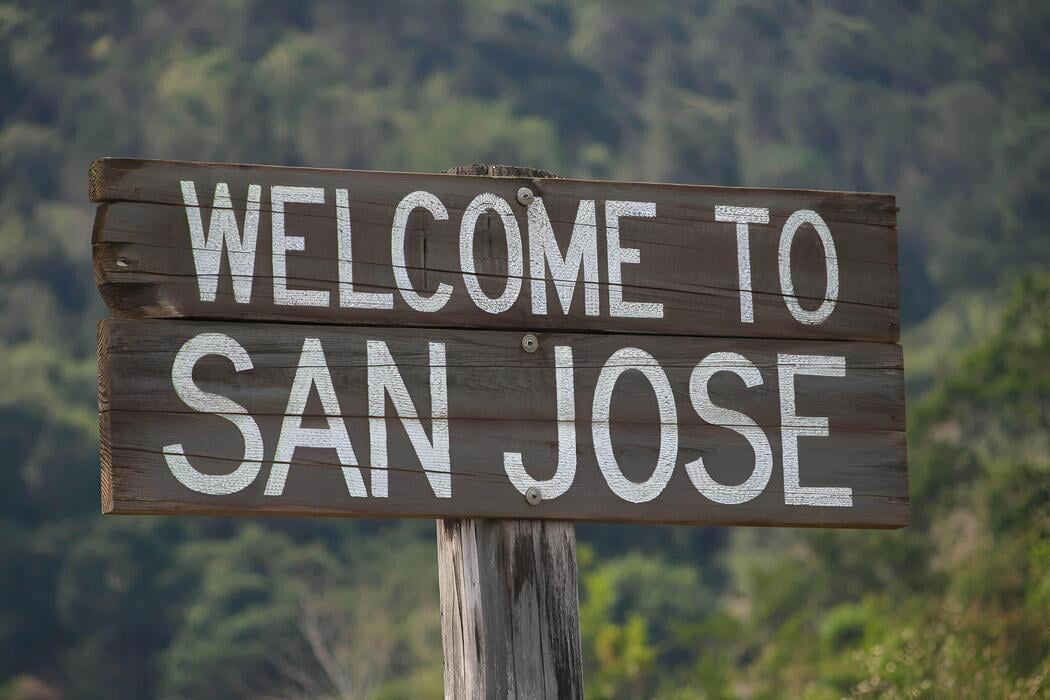
San Jose real estate covers more ground, more neighborhoods, and more price points than any other city in Silicon Valley. As the largest city in the Bay Area by population (over one million residents), San Jose is the de facto capital of the tech economy, home to major corporate campuses, a growing downtown, and an extraordinarily varied collection of neighborhoods. Whether you want a Victorian on a tree-lined street, a hillside estate with valley views, or a condo near the best shopping in the South Bay, San Jose has a neighborhood for it.
San Jose is a city of neighborhoods, and the character shifts significantly from one to the next. Buyers should think of San Jose less as a single market and more as a collection of small towns under one municipal umbrella.
Willow Glen: The crown jewel of San Jose neighborhoods. Lincoln Avenue is the social center, lined with sidewalk cafes, coffee shops, boutiques, and restaurants. Housing consists of Craftsman bungalows, Spanish-style homes, and updated ranches on tree-lined streets. The area has a strong sense of identity and community pride, with seasonal events and a walkable feel that is rare for a city of San Jose's size.
Almaden Valley: Located in the southern hills, Almaden Valley is known for spacious homes, top-rated schools, and easy access to nature. Almaden Quicksilver County Park and Calero Reservoir provide extensive hiking, biking, and kayaking. Housing is predominantly larger single-family homes from the 1970s through 1990s on generous lots.
Rose Garden: Named for the San Jose Municipal Rose Garden (5.5 acres, over 3,500 plantings), this neighborhood features classic older homes, many from the early to mid-20th century. The streets are wide and tree-lined, with a residential feel that belies its proximity to downtown. The Rose Garden area attracts buyers who want older architecture and walkable access to The Alameda, a commercial corridor with restaurants and shops.
Silver Creek Valley: A gated, luxury community in the southeastern foothills. Homes here tend to be large and newer, with country club access and hillside views. This is one of the more exclusive addresses in San Jose.
Downtown San Jose: The urban core, anchored by the SAP Center, San Jose Museum of Art, and the Tech Interactive. High-rise condos and lofts cater to buyers who want a walkable, urban lifestyle. The downtown area has seen significant investment and continues to develop, though it remains less dense than San Francisco.
Japantown: One of only three remaining Japantowns in the United States. Centered on Jackson Street, the neighborhood has historic homes, authentic restaurants, and cultural institutions. Housing is a combination of older single-family homes and newer condos.
Local Tip: Willow Glen is the most competitive neighborhood for buyers in San Jose. Homes here often receive multiple offers quickly. If Willow Glen is your target, work with an agent who knows the neighborhood's micro-markets.
San Jose's lifestyle reflects its scale and cultural range. There is no single way to live here; it depends entirely on which neighborhood you choose.
Dining is one of the city's great strengths:
Shopping and entertainment:
Parks and outdoor recreation:
San Jose's school quality varies considerably by neighborhood. Almaden Valley, Silver Creek, and Evergreen consistently have some of the highest-performing schools. Families should research specific schools and attendance boundaries carefully, as quality is not uniform across the city.
The commute picture also varies by neighborhood. Downtown San Jose is served by Caltrain, VTA Light Rail, and is close to Highway 87 and Interstate 280. Northern neighborhoods have quick access to 101 and 880. South San Jose neighborhoods like Almaden Valley sit closer to Highway 85 and 17.
It depends on the neighborhood. Almaden Valley, Silver Creek, and parts of Willow Glen and Evergreen are excellent for families, with strong schools, safe streets, and access to parks. Other parts of the city are more urban or transitional. Neighborhood research is essential.
Willow Glen combines historic homes, a walkable downtown strip on Lincoln Avenue, and a community feel that is uncommon in a city of over one million people. It has its own identity, seasonal events, and a loyal resident base. The trade-off is that competition for homes is fierce.
San Jose is large, so commute times vary widely based on where you live and where you work. If you work in San Jose or nearby, commutes are generally short. Getting to San Francisco takes 50 minutes to over an hour. Caltrain is available from the Diridon Station downtown.
Nearly every type. Willow Glen has Craftsman bungalows and Spanish-style homes. Almaden Valley has large single-family homes. Downtown has high-rise condos. Silver Creek has gated luxury estates. The city's size means there is an entry point for most buyers, from first-time to luxury.
Very much so. The city's cultural depth often surprises newcomers. Japantown, Little Saigon, the downtown arts scene, the annual Lunar New Year celebration, and Santana Row's entertainment programming all contribute to a city that has far more going on than its tech-hub reputation suggests.
San Jose has a Mediterranean climate with over 300 days of sunshine annually. Summers are warm and dry, with daytime highs in the 80s. Winters are mild and rainy, with temperatures in the 50s and 60s. It is consistently warmer and sunnier than San Francisco or the coast.
San Jose is more spread out, more car-dependent, and more suburban in feel. It is also warmer, generally more affordable per square foot, and closer to nature. San Francisco offers more density, public transit, and urban culture. Many people live in San Jose and visit San Francisco for weekends rather than the reverse.
1,014,813 people live in San Jose, where the median age is 38.7 and the average individual income is $63,249. Data provided by the U.S. Census Bureau.
Total Population
Median Age
Population Density
Average individual Income
There's plenty to do around San Jose, including shopping, dining, nightlife, parks, and more. Data provided by Walk Score and Yelp.
Explore popular things to do in the area, including Sweet Delightsj, Marquez Brothers International, Inc, and T & Le.
| Name | Category | Distance | Reviews |
Ratings by
Yelp
|
|---|---|---|---|---|
| Dining | 2.02 miles | 13 reviews | 5/5 stars | |
| Dining | 2.95 miles | 1 review | 1/5 stars | |
| Dining | 3.26 miles | 0 reviews | 0/5 stars | |
| Shopping | 0.46 miles | 0 reviews | 0/5 stars | |
| Active | 1.27 miles | 1 review | 5/5 stars | |
| Active | 1.64 miles | 0 reviews | 0/5 stars | |
| Active | 1.91 miles | 21 reviews | 3.7/5 stars | |
| Active | 2.24 miles | 0 reviews | 0/5 stars | |
| Active | 2.39 miles | 0 reviews | 0/5 stars | |
| Active | 2.47 miles | 0 reviews | 0/5 stars | |
| Active | 2.5 miles | 2 reviews | 5/5 stars | |
| Active | 2.57 miles | 0 reviews | 0/5 stars | |
| Active | 2.69 miles | 0 reviews | 0/5 stars | |
| Active | 2.69 miles | 3 reviews | 5/5 stars | |
| Active | 2.7 miles | 15 reviews | 3.4/5 stars | |
| Active | 2.8 miles | 47 reviews | 4.4/5 stars | |
| Active | 2.94 miles | 0 reviews | 0/5 stars | |
| Beauty | 2.02 miles | 1 review | 5/5 stars | |
| Beauty | 2.02 miles | 1 review | 5/5 stars | |
| Beauty | 2.69 miles | 0 reviews | 0/5 stars | |
| Beauty | 2.8 miles | 115 reviews | 4.8/5 stars | |
| Beauty | 2.82 miles | 0 reviews | 0/5 stars | |
| Beauty | 2.88 miles | 12 reviews | 4.7/5 stars | |
| Beauty | 3.13 miles | 8 reviews | 5/5 stars | |
|
|
||||
|
|
||||
|
|
||||
|
|
||||
|
|
||||
|
|
San Jose has 333,751 households, with an average household size of 2.985357142857143. Data provided by the U.S. Census Bureau. Here’s what the people living in San Jose do for work — and how long it takes them to get there. Data provided by the U.S. Census Bureau. 1,014,813 people call San Jose home. The population density is 7,363 and the largest age group is Data provided by the U.S. Census Bureau.
Total Population
Population Density Population Density This is the number of people per square mile in a neighborhood.
Median Age
Men vs Women
Population by Age Group
0-9 Years
10-17 Years
18-24 Years
25-64 Years
65-74 Years
75+ Years
Education Level
Total Households
Average Household Size
Average individual Income
Households with Children
With Children:
Without Children:
Blue vs White Collar Workers
Blue Collar:
White Collar:
Start Your Property Search
Explore Other Neighborhoods

Gummow Brothers
(408) 357-9088
[email protected]
Brandon Gummow | CA DRE# 02055753
(408) 616-9146
[email protected]
Nick Gummow | CA DRE# 02053642
(408) 455-8339
[email protected]
214 Saratoga Los Gatos Rd
Los Gatos, CA 95030
Sereno Group, Inc. | CA DRE# 02101181
Gummow Brothers
(408) 357-9088
[email protected]
Brandon Gummow | CA DRE# 02055753
(408) 616-9146
[email protected]
Nick Gummow | CA DRE# 02053642
(408) 455-8339
[email protected]
214 Saratoga Los Gatos Rd
Los Gatos, CA 95030
Sereno Group, Inc. | CA DRE# 02101181