Contact
Address
214 Saratoga Los Gatos Rd
Los Gatos, CA 95030
Gummow, Brandon | CA DRE# 02055753
Gummow, Nicholas | CA DRE# 02053642
Sereno Group, Inc. | CA DRE# 02101181
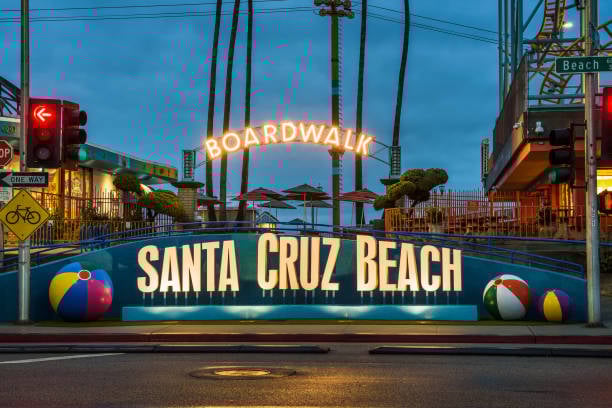
Santa Cruz real estate offers something rare in the Bay Area: a genuine beach town with its own identity, not a bedroom community for somewhere else. Perched on the northern edge of Monterey Bay, Santa Cruz combines world-class surfing, redwood forests, a respected university, and a fiercely independent local culture. It is also one of the few coastal California cities where you can still find a range of property types, from beach cottages to hillside homes to rural acreage.
Santa Cruz is a geographically compact city, but its neighborhoods have very different characters. Buyers should expect to see everything from 1920s beach bungalows to mid-century homes to newer hillside construction.
Westside Santa Cruz: Located west of the San Lorenzo River and stretching toward Natural Bridges State Beach. The Westside has seen a transformation in recent years, with the Swift Street Courtyard area becoming a food and wine destination built in repurposed warehouse spaces. Housing is a combination of older single-family homes, Victorians, and some newer infill. This is one of the more walkable parts of the city.
Pleasure Point: A legendary surf neighborhood on the east side of town, Pleasure Point retains a laid-back, SoCal surf-town feel. Streets are lined with a combination of original beach cottages, remodeled homes, and newer builds. The food scene here is low-key but well-regarded, with ice cream shops, taco stands, and coffee roasters scattered along the coastal strip. If surf culture matters to you, this is the neighborhood.
Capitola: Technically its own city just southeast of Santa Cruz, Capitola-by-the-Sea is known for its colorful beachfront Venetian buildings, a small wharf, and a walkable village with restaurants and galleries. Housing tends toward smaller lots with a premium on proximity to the water.
Aptos: A quieter community south of Capitola, Aptos balances suburban comfort with access to beaches and redwood forests. The Rio Del Mar area has a neighborhood beach, and Aptos Village has a small collection of restaurants and shops. Homes here tend to be larger and sit on bigger lots than in Santa Cruz proper.
Davenport: A very small community north of Santa Cruz along Highway 1. With a population of about 400, Davenport appeals to those who want ocean views, open space, and near-total seclusion. Housing ranges from cottages to larger properties with significant acreage.
Local Tip: The commute over Highway 17 to Silicon Valley takes 30 to 45 minutes without traffic but can stretch much longer during peak hours. Many Santa Cruz residents who work in tech either commute early, work remotely, or have accepted the trade-off for the coastal lifestyle.
Santa Cruz has the feel of a college town and a surf town layered on top of each other. The result is a community that supports local businesses, values the outdoors, and has a thriving arts and music scene.
Dining and drinking:
Outdoor recreation is central to daily life:
The Santa Cruz Beach Boardwalk, open since 1907, is a California Historic Landmark and one of the last remaining seaside amusement parks in the country. Admission to the boardwalk grounds is free; rides are individually ticketed.
UC Santa Cruz, set on 2,000 acres of redwood forest above the city, brings a steady flow of cultural events, lectures, and young energy to the community. The university's Arboretum and the Seymour Marine Discovery Center are both open to the public.
Schools in the Santa Cruz area vary. Some elementary schools are well-regarded, and there are several strong options among charter and private schools. Families with school-age children should research specific school assignments carefully.
Santa Cruz offers a strong outdoor lifestyle, community events, and a slower pace than Silicon Valley. Schools are a consideration, as quality varies by neighborhood and district. Many families are drawn to the Aptos and Capitola areas for their quieter residential feel and school options.
Highway 17 connects Santa Cruz to San Jose and the broader Silicon Valley. Without traffic, the drive takes about 30 to 40 minutes. During rush hour, it can take an hour or more. Remote and hybrid work arrangements have made the commute more manageable for many residents.
The variety is significant. You will find historic Victorians, 1950s beach bungalows, mid-century ranches, modern hillside homes, and rural properties with acreage. Condos and townhomes are available closer to downtown and in some of the newer developments.
Santa Cruz is a premium coastal market, though generally less expensive than Peninsula or South Bay cities. Proximity to the beach drives prices up considerably. Homes further inland or in less central neighborhoods offer more accessible entry points.
Pleasure Point is one of the best-known surf neighborhoods in Northern California. It has maintained its surf-town character despite the broader pressures of Bay Area real estate. The neighborhood has excellent wave access, a casual food scene, and a strong sense of local identity.
Summers are mild, typically in the mid-60s to low 70s, with morning fog that usually clears by midday. It is significantly cooler than inland areas during summer. Winters are wet but mild, with temperatures rarely dropping below the 40s. The coastal climate is one of the main draws for people leaving the hotter valleys.
Yes. The food scene has grown considerably, with a strong emphasis on local, farm-to-table cooking. The Westside, downtown, and Pleasure Point all have well-regarded restaurants, bakeries, and cafes. The local brewery and winery scene is also strong.
99,985 people live in Santa Cruz, where the median age is 37.6 and the average individual income is $57,295. Data provided by the U.S. Census Bureau.
Total Population
Median Age
Population Density
Average individual Income
There's plenty to do around Santa Cruz, including shopping, dining, nightlife, parks, and more. Data provided by Walk Score and Yelp.
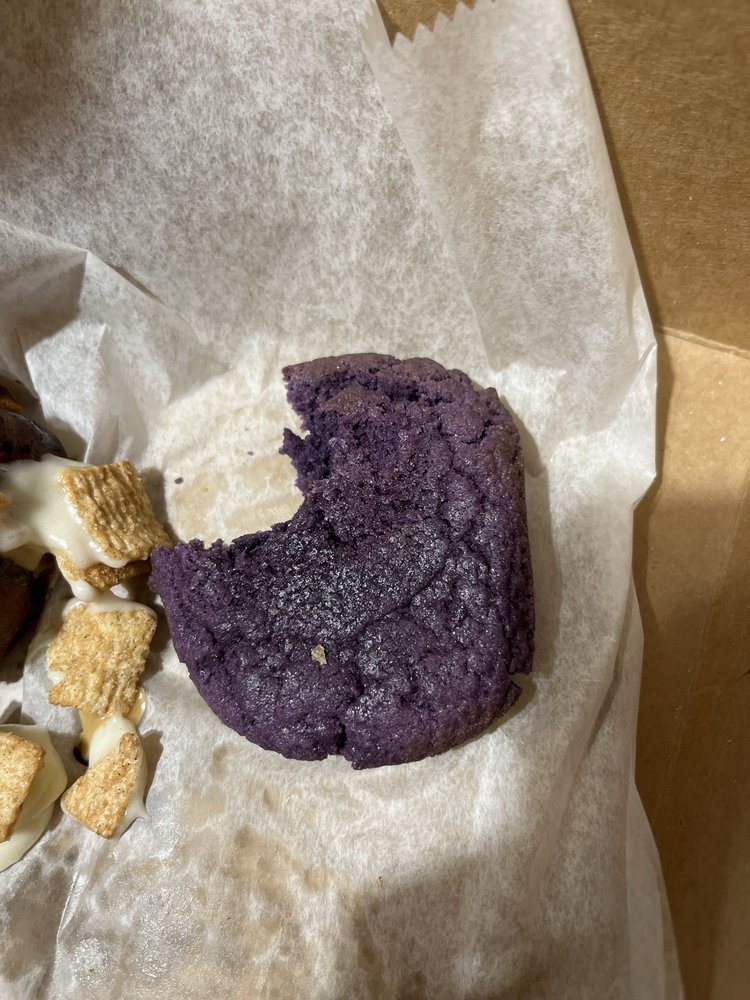
Explore popular things to do in the area, including Cookie Cruz, Santa Cruz Community Farmers' Market, and Tacos El Jesse.
| Name | Category | Distance | Reviews |
Ratings by
Yelp
|
|---|---|---|---|---|
| Dining · $ | 1.63 miles | 131 reviews | 4.2/5 stars | |
| Dining | 1.63 miles | 0 reviews | 0/5 stars | |
| Dining | 1.63 miles | 6 reviews | 4.5/5 stars | |
| Active | 1.63 miles | 0 reviews | 0/5 stars | |
| Active | 1.63 miles | 1 review | 5/5 stars | |
| Active | 1.63 miles | 0 reviews | 0/5 stars | |
| Active | 1.63 miles | 7 reviews | 5/5 stars | |
| Active | 1.76 miles | 2 reviews | 3/5 stars | |
| Beauty | 1.63 miles | 0 reviews | 0/5 stars | |
|
|
||||
|
|
||||
|
|
||||
|
|
||||
|
|
||||
|
|
Santa Cruz has 37,205 households, with an average household size of 2.36. Data provided by the U.S. Census Bureau. Here’s what the people living in Santa Cruz do for work — and how long it takes them to get there. Data provided by the U.S. Census Bureau. 99,985 people call Santa Cruz home. The population density is 3,593 and the largest age group is Data provided by the U.S. Census Bureau.
Total Population
Population Density Population Density This is the number of people per square mile in a neighborhood.
Median Age
Men vs Women
Population by Age Group
0-9 Years
10-17 Years
18-24 Years
25-64 Years
65-74 Years
75+ Years
Education Level
Total Households
Average Household Size
Average individual Income
Households with Children
With Children:
Without Children:
Blue vs White Collar Workers
Blue Collar:
White Collar:
Start Your Property Search
Explore Other Neighborhoods

Gummow Brothers
(408) 357-9088
[email protected]
Brandon Gummow | CA DRE# 02055753
(408) 616-9146
[email protected]
Nick Gummow | CA DRE# 02053642
(408) 455-8339
[email protected]
214 Saratoga Los Gatos Rd
Los Gatos, CA 95030
Sereno Group, Inc. | CA DRE# 02101181
Gummow Brothers
(408) 357-9088
[email protected]
Brandon Gummow | CA DRE# 02055753
(408) 616-9146
[email protected]
Nick Gummow | CA DRE# 02053642
(408) 455-8339
[email protected]
214 Saratoga Los Gatos Rd
Los Gatos, CA 95030
Sereno Group, Inc. | CA DRE# 02101181