San Francisco Peninsula real estate spans some of the most desirable communities in Northern California, stretching from South San Francisco down through San Mateo County and into the northern reaches of Santa Clara County. This corridor connects the city of San Francisco to Silicon Valley, and the towns along it offer everything from waterfront living and old-money estates to family-oriented suburbs with top-ranked schools.
The Peninsula is not a single market but a collection of distinct communities, each with its own personality and price point. Here is a breakdown of the major areas:
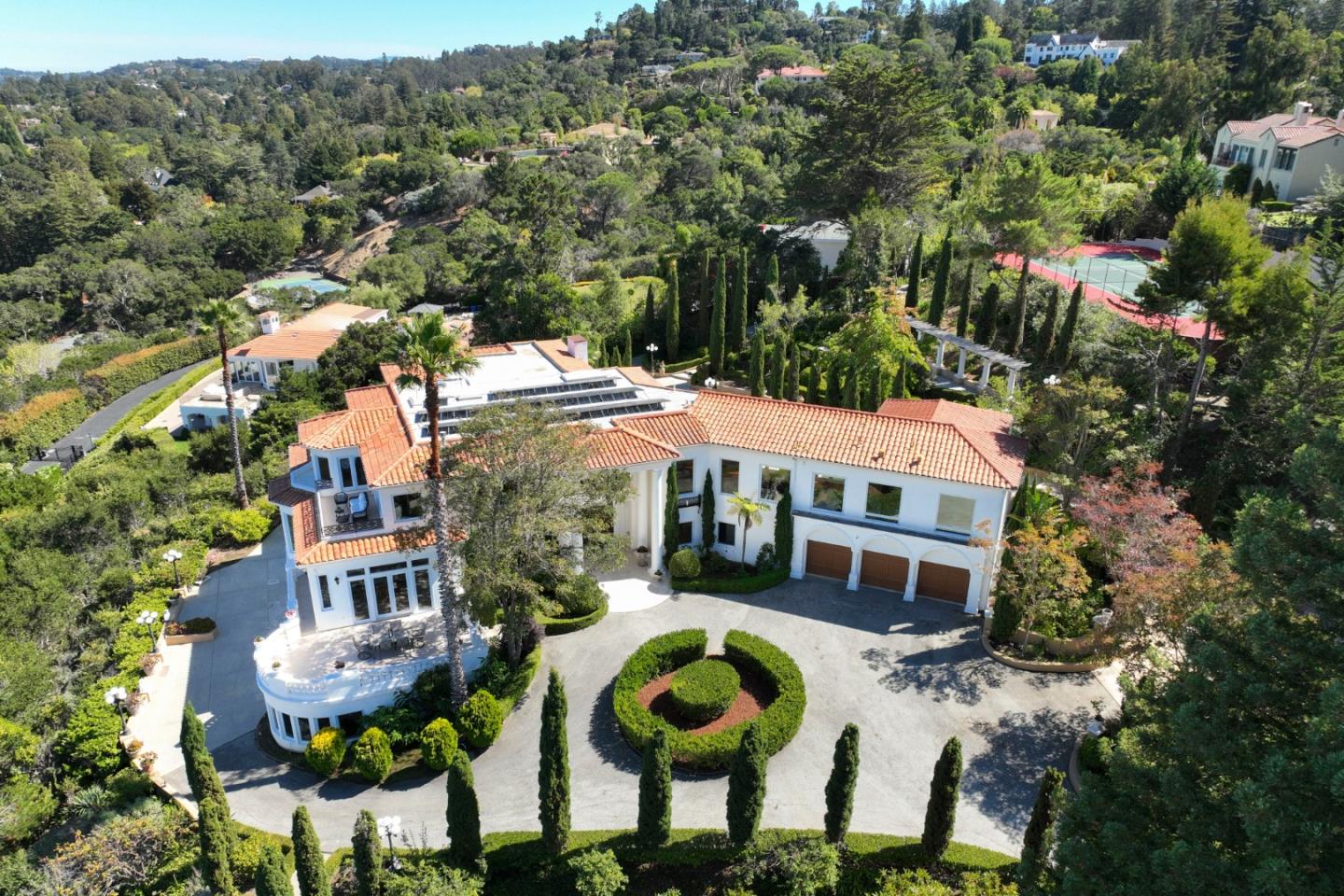
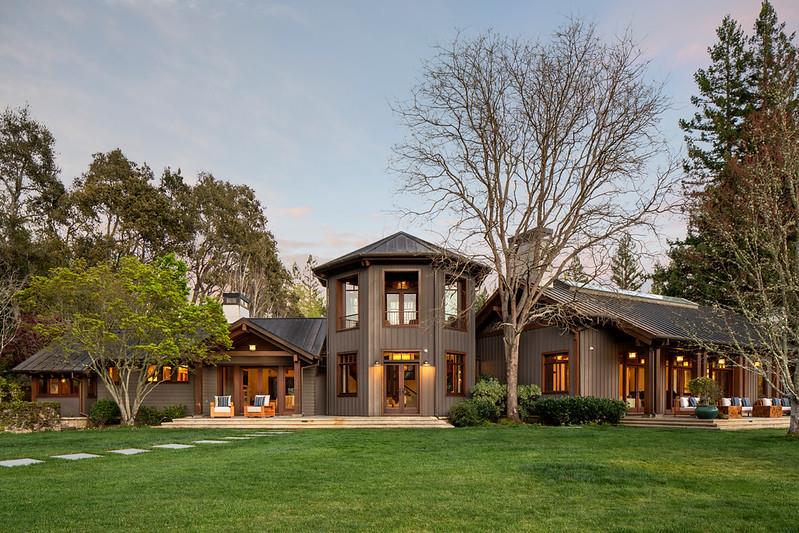
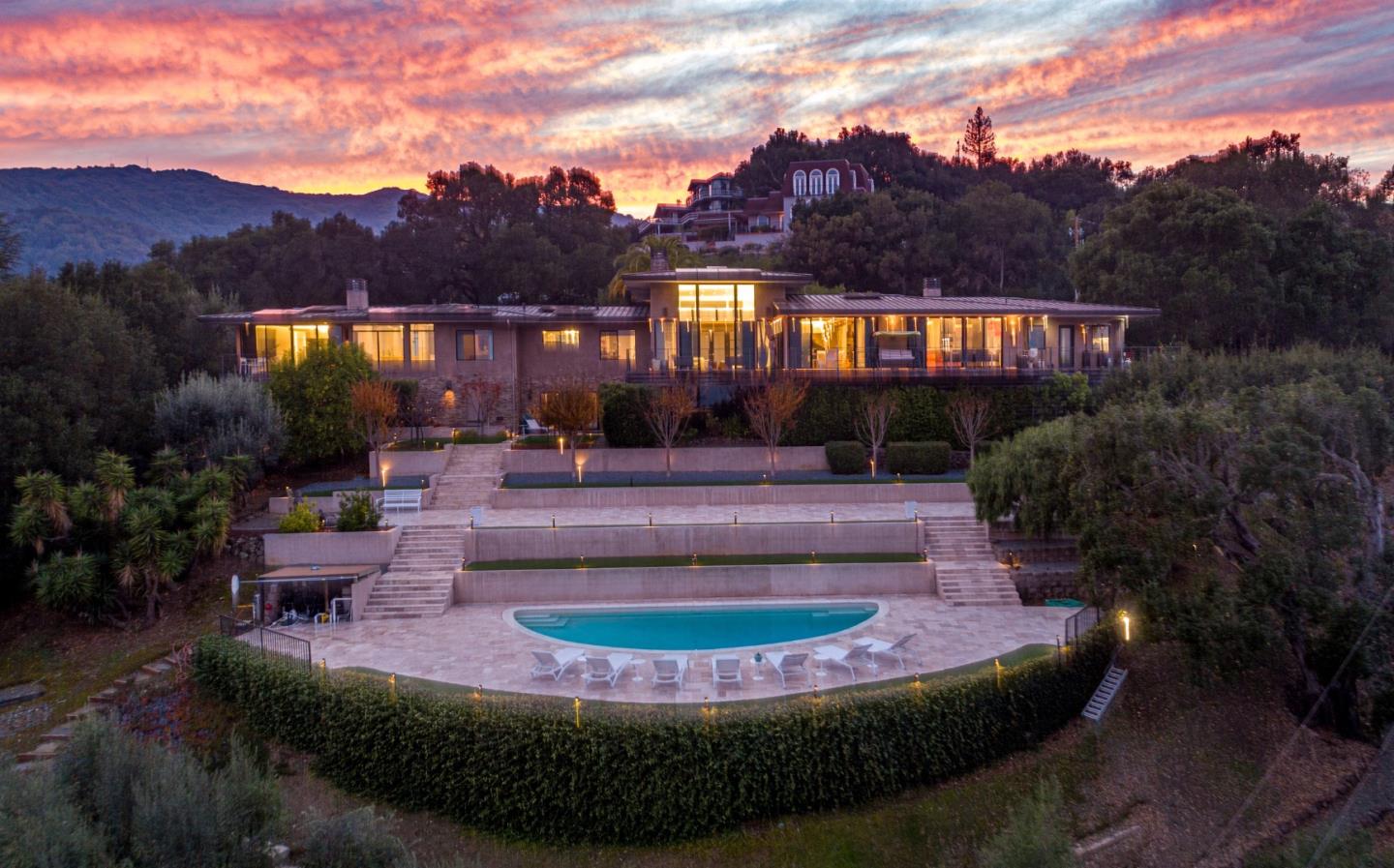
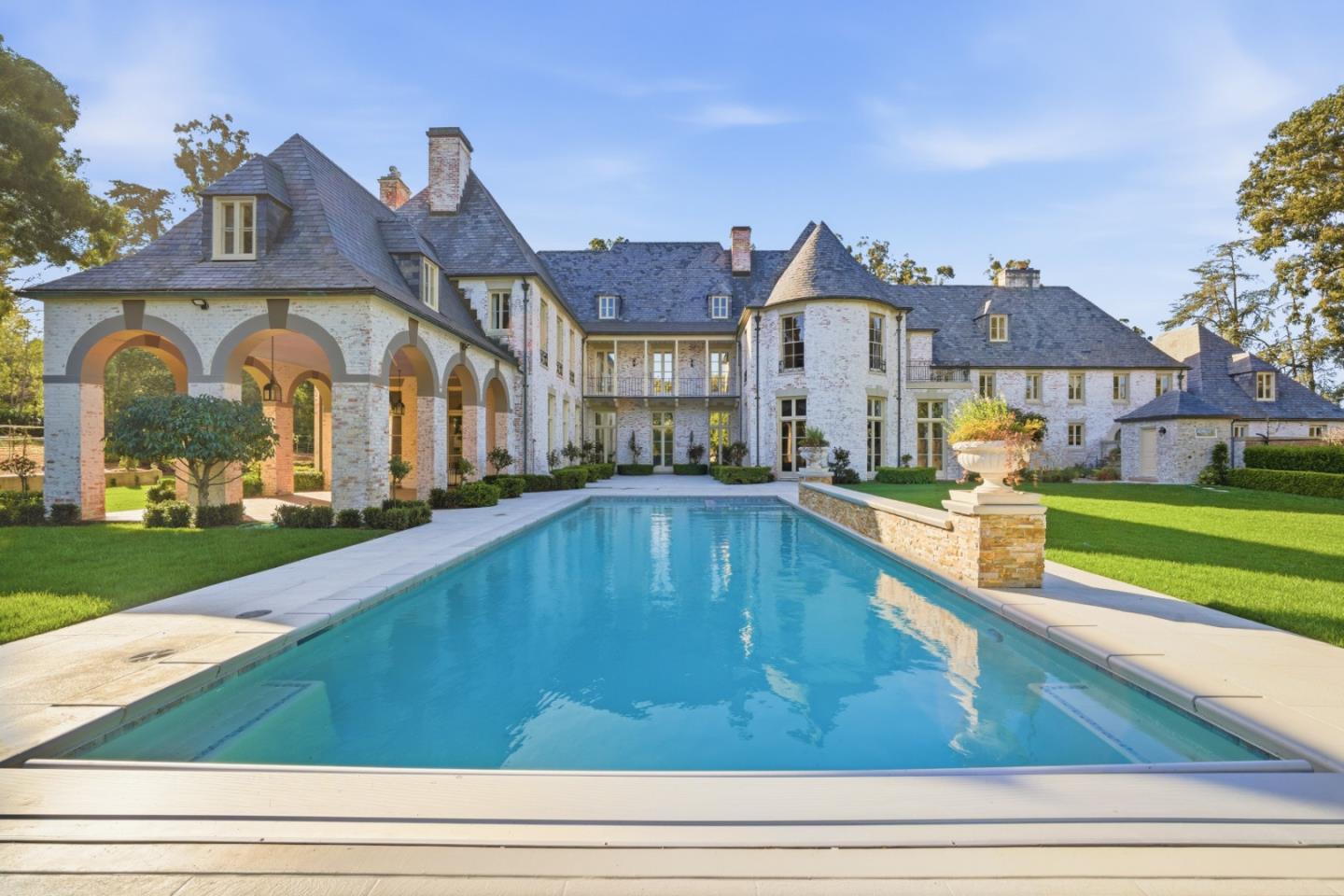
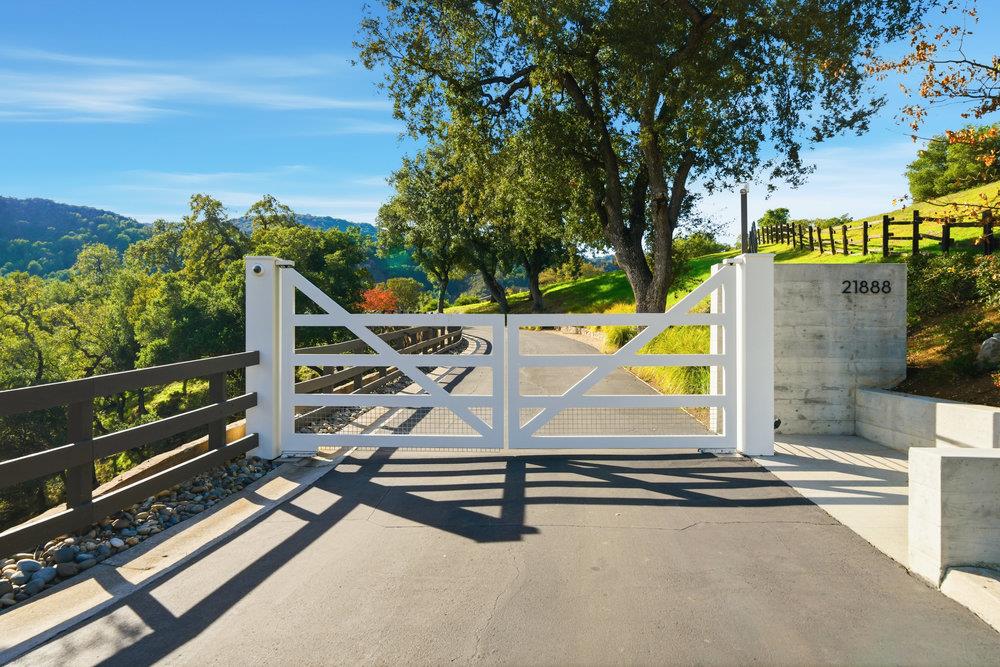
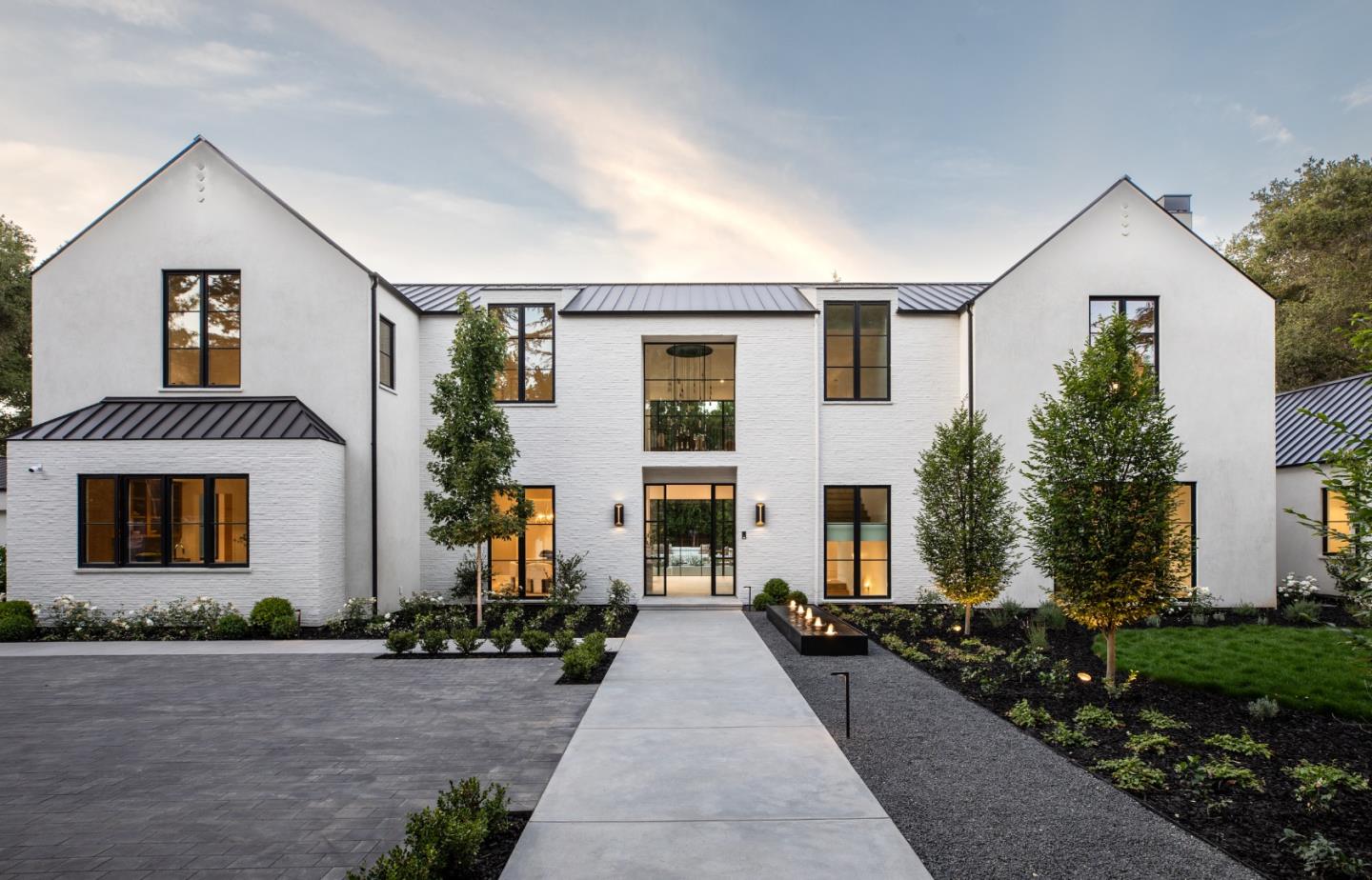
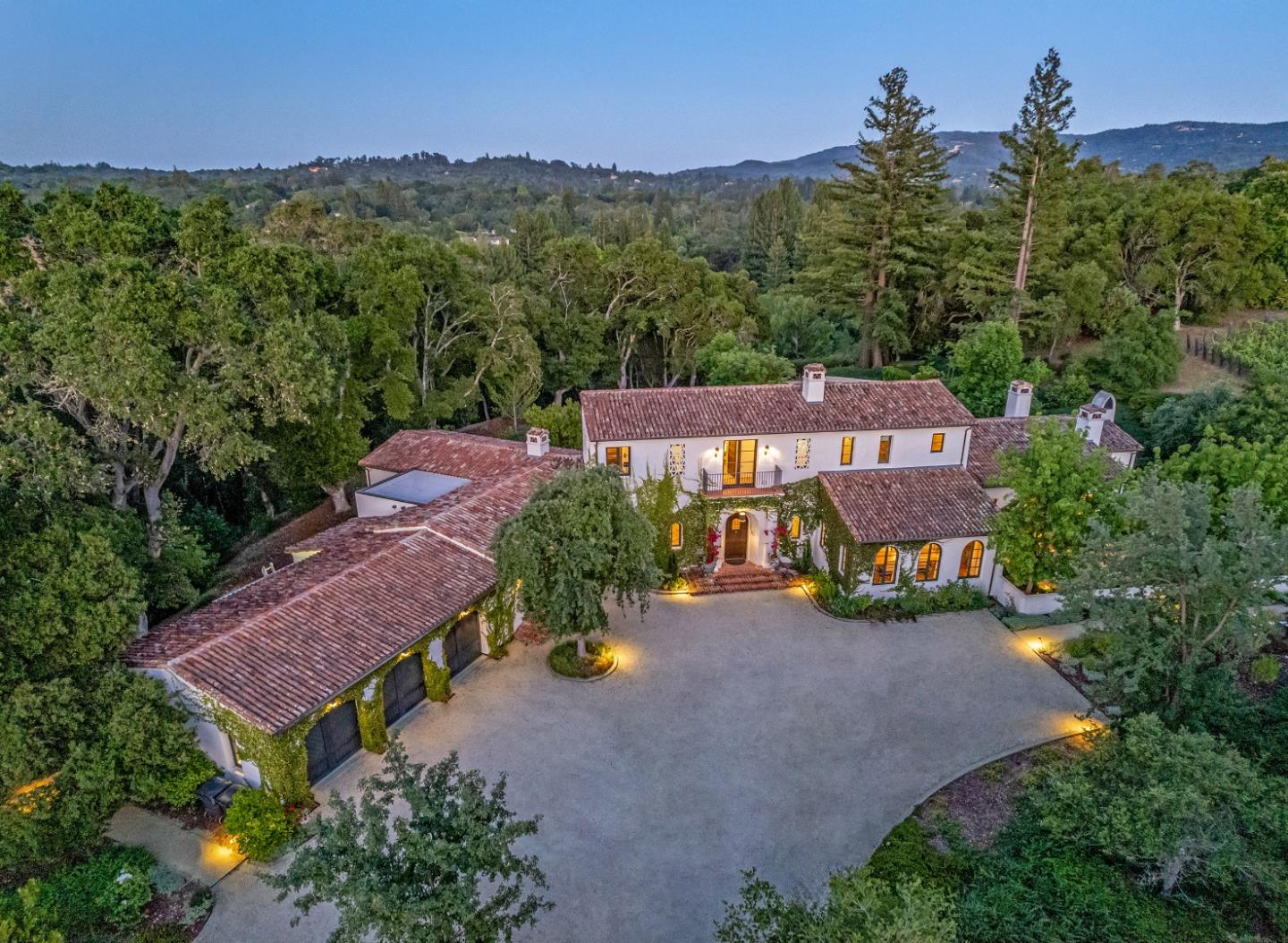
Atherton: The most exclusive address on the Peninsula. Estates sit on one-acre-plus lots behind gates and hedges. There is no real downtown or commercial district. Atherton is purely residential and among the wealthiest zip codes in the country.
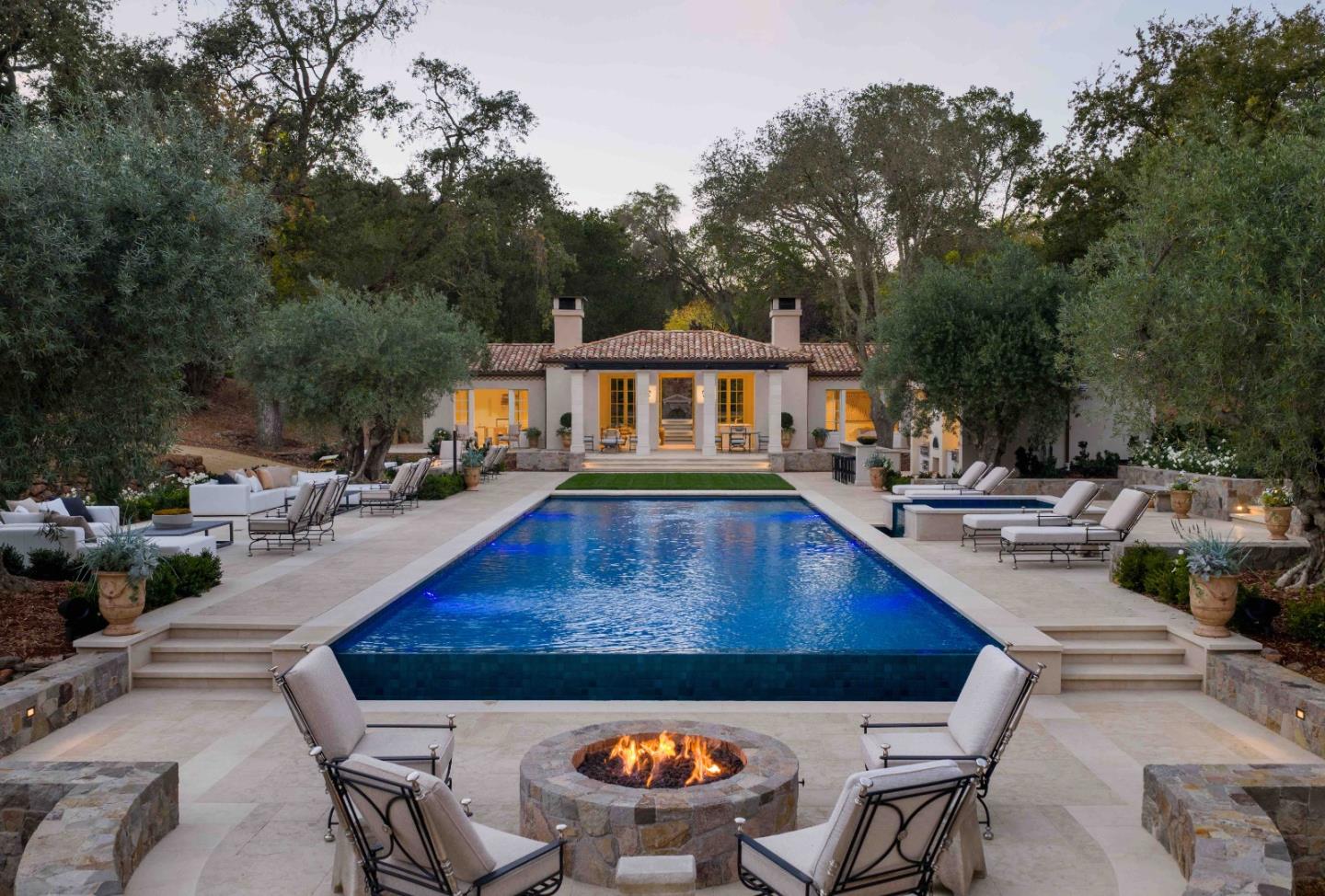
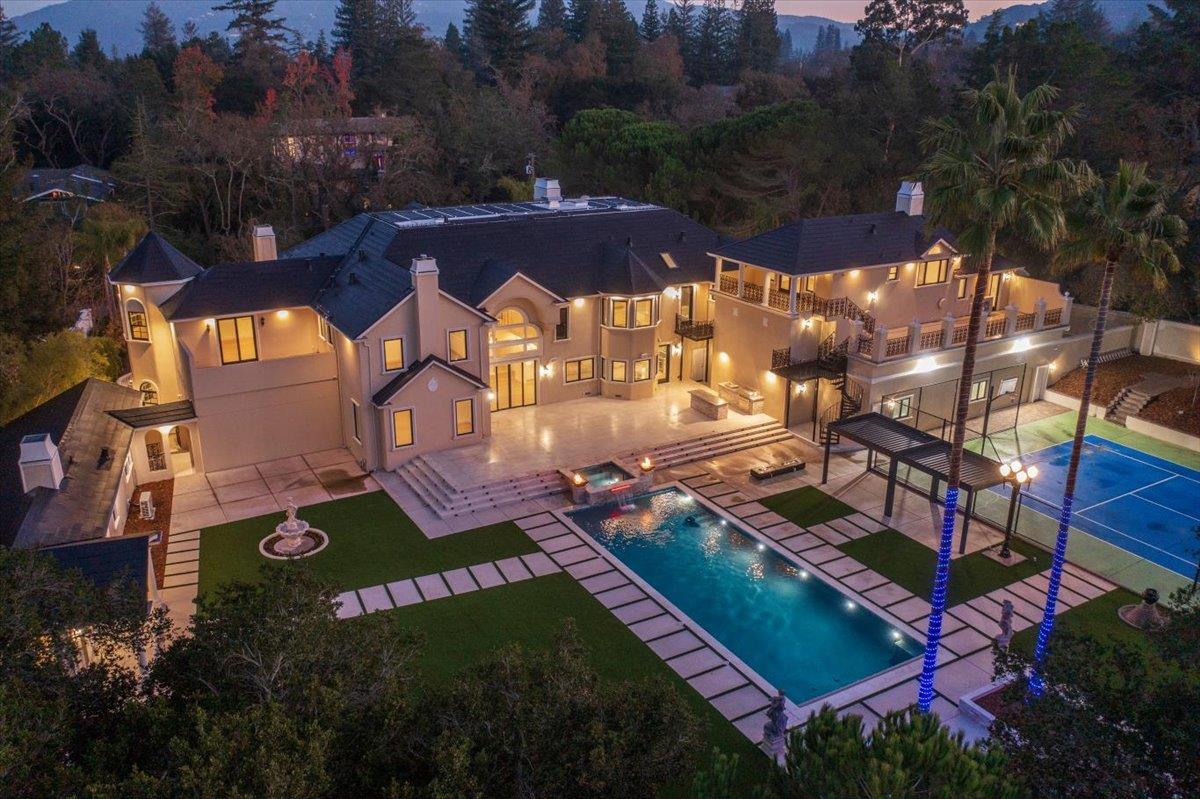
Hillsborough: Similar to Atherton in its emphasis on privacy and large properties, Hillsborough offers sprawling estates, lush grounds, and a strong sense of seclusion. The town has no sidewalks by design, reinforcing its residential-only character.
Palo Alto: Synonymous with Stanford University and the birth of Silicon Valley. Palo Alto has a vibrant downtown (University Avenue) with restaurants, bookstores, and cafes. Housing ranges from Craftsman bungalows in Old Palo Alto to modern builds in the Barron Park and Midtown neighborhoods.
Burlingame: Often called the "City of Trees," Burlingame has one of the most walkable downtowns on the Peninsula. Broadway and Burlingame Avenue are lined with boutiques, restaurants, and cafes. Housing is a mixture of pre-war homes and newer construction.
San Mateo: A larger city with more housing variety. Downtown San Mateo has undergone significant development and now has a strong restaurant and nightlife scene. Neighborhoods range from the hillside homes of Baywood to the flatlands near the bay.
San Carlos: A family-focused community with a lively Laurel Street downtown. San Carlos attracts buyers looking for good schools and a strong community feel without the price tag of Atherton or Hillsborough.
Foster City: Built on reclaimed land around a network of man-made lagoons, Foster City offers a planned community feel with waterfront parks, good schools, and easy freeway access. Housing is a combination of single-family homes, townhomes, and condos.
Redwood City: The most urban-feeling city on the mid-Peninsula, with a revitalized downtown, new housing developments, and a growing food scene. Redwood City tends to offer more entry points into Peninsula homeownership than its neighbors.
Local Tip: If school quality is your primary concern, look closely at the specific attendance boundaries. Peninsula school districts vary significantly in performance even between adjacent towns.
Each town along the Peninsula has its own downtown and personality, which is part of what makes the area appealing. You are not buying into one large suburb but into a specific community.
Dining and entertainment vary by town:
Outdoor recreation is abundant:
Commuting is one of the Peninsula's strongest selling points. Caltrain runs the length of the corridor from San Francisco to San Jose, with stops in most major towns. Highway 101 and Interstate 280 run parallel through the area, and SFO airport sits right in the middle. BART connects to SFO and extends into Millbrae.
Schools across the Peninsula are broadly strong, though standout districts include Palo Alto Unified, Burlingame Elementary, and San Carlos Elementary. Many families make their town choice based on specific school assignments.
The Peninsula refers to the stretch of land between San Francisco and San Jose, primarily encompassing San Mateo County and parts of northern Santa Clara County. It includes cities like Palo Alto, Burlingame, San Mateo, Hillsborough, Atherton, San Carlos, Foster City, and Redwood City.
Yes. Many Peninsula towns are specifically oriented around family life, with strong schools, safe neighborhoods, and well-maintained parks. San Carlos, Burlingame, and Foster City are particularly popular with families.
The Peninsula is well-positioned for commuters. Caltrain connects to San Francisco and San Jose. Highway 101 and 280 run north-south. SFO is centrally located. Most Peninsula residents can reach San Francisco or major Silicon Valley offices in 20 to 40 minutes, depending on the specific town and traffic conditions.
The range is enormous. Atherton and Hillsborough have multi-acre estates. Palo Alto has Craftsman bungalows and modern homes. Burlingame and San Carlos have pre-war cottages and updated family homes. Foster City has planned single-family homes and condos. Redwood City offers the most variety at relatively lower price points.
Burlingame and Palo Alto are generally considered to have the most walkable and well-developed downtowns. San Carlos (Laurel Street) and San Mateo (downtown core) have also improved significantly in recent years.
It depends on the town. Atherton and Hillsborough are among the most expensive zip codes in the country. Redwood City and parts of San Mateo tend to offer more accessible price points. Overall, the Peninsula is a premium market, but it offers more space per dollar than San Francisco proper in most areas.
Mild and Mediterranean. Summers are warm and dry with temperatures in the 70s and 80s. Winters are cool and wet but rarely cold. The Peninsula generally gets less fog than San Francisco, especially in the towns further south.
836,321 people live in San Francisco Peninsula, where the median age is 40.3 and the average individual income is $90,285. Data provided by the U.S. Census Bureau.
Total Population
Median Age
Population Density Population Density This is the number of people per square mile in a neighborhood.
Average individual Income
There's plenty to do around San Francisco Peninsula, including shopping, dining, nightlife, parks, and more. Data provided by Walk Score and Yelp.
Explore popular things to do in the area, including Dumpling Panda, Loop Neighborhood Market, and Record.
| Name | Category | Distance | Reviews |
Ratings by
Yelp
|
|---|---|---|---|---|
| Dining | 0.58 miles | 0 reviews | 0/5 stars | |
| Dining | 0.77 miles | 0 reviews | 0/5 stars | |
| Shopping | 0.24 miles | 0 reviews | 0/5 stars | |
| Active | 0.31 miles | 0 reviews | 0/5 stars | |
| Active | 0.34 miles | 20 reviews | 3.8/5 stars | |
| Active | 0.47 miles | 21 reviews | 4.4/5 stars | |
| Active | 0.52 miles | 1 review | 5/5 stars | |
| Active | 0.56 miles | 1 review | 1/5 stars | |
| Active | 0.56 miles | 5 reviews | 5/5 stars | |
| Active | 0.58 miles | 0 reviews | 0/5 stars | |
| Active | 0.63 miles | 20 reviews | 3.7/5 stars | |
| Active | 0.63 miles | 6 reviews | 2.8/5 stars | |
| Active | 0.67 miles | 0 reviews | 0/5 stars | |
| Active | 0.68 miles | 0 reviews | 0/5 stars | |
| Active | 0.7 miles | 0 reviews | 0/5 stars | |
| Nightlife | 0.28 miles | 0 reviews | 0/5 stars | |
| Nightlife | 0.65 miles | 0 reviews | 0/5 stars | |
| Beauty | 0.21 miles | 10 reviews | 3.6/5 stars | |
| Beauty | 0.25 miles | 13 reviews | 5/5 stars | |
| Beauty | 0.42 miles | 3 reviews | 5/5 stars | |
| Beauty | 0.66 miles | 38 reviews | 4.8/5 stars | |
| Beauty | 0.74 miles | 1 review | 5/5 stars | |
| Beauty | 0.75 miles | 11 reviews | 3.3/5 stars | |
| Beauty | 0.79 miles | 0 reviews | 0/5 stars | |
|
|
||||
|
|
||||
|
|
||||
|
|
||||
|
|
||||
|
|
San Francisco Peninsula has 362,650 households, with an average household size of 61.23. Data provided by the U.S. Census Bureau. Here’s what the people living in San Francisco Peninsula do for work — and how long it takes them to get there. Data provided by the U.S. Census Bureau. 836,321 people call San Francisco Peninsula home. The population density is 24,175 and the largest age group is Data provided by the U.S. Census Bureau.
Total Population
Population Density Population Density This is the number of people per square mile in a neighborhood.
Median Age
Men vs Women
Population by Age Group
0-9 Years
10-17 Years
18-24 Years
25-64 Years
65-74 Years
75+ Years
Education Level
Total Households
Average Household Size
Average individual Income
Households with Children
With Children:
Without Children:
Marital Status
Blue vs White Collar Workers
Blue Collar:
White Collar: